

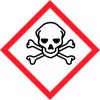
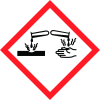

Note: Ingredients listed on restricted chemical lists
EC/CAS
51580-86-0
Name of the chemical
Sodium dichloroisocyanurate dihydrate
Concentration
99%
General Information
Revision date
2019-02-22
Product name
Chlorinating Granules
Product Synonyms
Sodium dichloroisocyanurate dihydrate; Dichlor dihydrate; 1,3,5-Triazine- 2,4,6(1H,3H,5H)-trione, 1,3-dichloro-, sodium salt dihydrate; Troclosene
Chemical name
Sodium Dichloro-S-Triazinetrione Dihydrate
CAS No.
51580-86-0
1.2.1 Relevant identified uses
Disinfects spas and pools
supplier name
Phoenix Products Company
Emergency telephone
1-800-222-1222
Icons in SDS


Company Information
company name
Essentials
GHS Information
Signal word
Danger
Section 2
SECTION 2: Hazards identification
EMERGENCY OVERVIEW DANGER - CORROSIVE
Hazard statements
H302: Harmful if swallowed H312: Harmful in contact with skin H318: Causes serious eye damage H330: Fatal if inhaled H335: May cause respiratory irritation H400: Very toxic to aquatic life
Precautionary statements
P221: Take any precaution to avoid mixing with other chemicals P260: Do not breathe dust, vapours or spray mist. P262: Do not get in eyes, on skin, or on clothing. P264: Wash thoroughly with soap and water after handling. P280: Wear protective gloves, protective clothing, eye protection and face protection. P273: Avoid release to the environment P321: Specific treatment (see First Aid Measures on this label). P362+364: Take off contaminated clothing and wash it before reuse. P501: Dispose of contents/container in accordance with national and international regulations
Potential health effects
Eye: This material is corrosive to the eye. Direct contact may cause severe irritation, pain and burns, possibly severe, and permanent damage including blindness. The degree of injury depends on the concentration and duration of contact. 1 Skin: This material is moderately irritating to the skin. Direct contact with wet material or moist skin may cause severe irritation, pain, and possibly burns. Dry material is less irritating than wet material. This material is not a skin sensitizer based on studies with guinea pigs. - CONTINUED Inhalation: This material in the form as sold is not expected to produce respiratory effects. Particles of respirable sizes are generally not encountered. The respirable fraction is typically less than 0.1% by weight for the granular and extra granular grades. If ground or otherwise in a powdered form, effects similar to a corrosive substance may occur. May cause severe irritation of the respiratory tract with coughing, choking, pain and possibly burns of the mucous membranes. If significant or prolonged exposure occurs, pulmonary edema may develop, either immediately or mor often within a period of 5-72 hours. The symptom may include tightness in the chest dyspnea, frothy sputum, cyanosis, and dizziness. Physical findings may include moist rales, low blood pressure and high pulse pressure. Severe cases may be fatal. Ingestion: Not a likely route of exposure. Harmful if swallowed. Ingestion may cause immediate pain and severe burns of the mucous membranes. There may be discoloration of the tissues. Swallowing and speech may be difficult at first and then almost impossible. The effects on the esophagus and gastrointestinal tract may range from irritation to severe corrosion. Edema of the epiglottis and shock may occur. Chronic Exposure/Carcinogenicity: Based on animal studies, exposure to concentrations of monosodium cyanurate at the solubility limit may cause cardiovascular, kidney and urinary bladder effects. Aggravation of Pre-Existing Conditions: Eye disorders, respiratory disorders, skin disorders and allergies



