

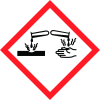
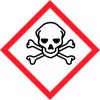

Note: Ingredients listed on restricted chemical lists
EC/CAS
1310-58-3
Name of the chemical
potassium hydroxide
Concentration
N/A
EC/CAS
7732-18-5
Name of the chemical
Water, distilled, conductivity or of similar purity H2O
Concentration
N/A
General Information
Revision date
2020-11-18
Product name
Potassium Hydroxide Solution
1.2.1 Relevant identified uses
Saponification of fats; manufacture of biodiesel, soft soaps, fine
Manufacturer Name
ERCO Worldwide
Emergency telephone
Canada & USA: 1-800-424-9300 (CHEMTREC
Icons in SDS
Company Information
company name
ERCO Worldwide
e-mail address of the competent person responsible for the Safety Data Sheet
productinfo@ercoworldwide.com
GHS Information
Signal word
Danger
Section 2
Physical hazards
Corrosive to metals Category 1
Health hazards
Acute toxicity, oral Category 3 Skin corrosion Category 1A Serious eye damage Category 1 Specific target organ toxicity, single Category 3 respiratory tract exposure irritation
Environmental hazards
Not currently regulated by OSHA, refer to Section 12 for additional information. OSHA defined hazards This mixture does not meet the classification criteria according to OSHA HazCom 2012.
Signal word
Danger
Hazard statements
May be corrosive to metals. Toxic if swallowed. Causes severe skin burns and eye damage. Causes serious eye damage. May cause respiratory irritation.
Prevention
Keep only in original container. Wash hands and face thoroughly after handling. Do not eat, drink or smoke when using this product. Do not breathe dusts or mists. Wear protective gloves, protective clothing, eye protection, face protection. Use only outdoors or in a well-ventilated area
Response
Immediately call a POISON CENTER or doctor/physician. IF SWALLOWED: Rinse mouth. Do NOT induce vomiting. IF ON SKIN (or hair): Take off immediately all contaminated clothing. Rinse skin with water/shower. Wash contaminated clothing before reuse. IF INHALED: Remove person to fresh air and keep comfortable for breathing. IF IN EYES: Rinse cautiously with water for several minutes. Remove contact lenses, if present and easy to do. Continue rinsing. Absorb spillage to prevent material damage.
Storage
Store in a corrosion resistant container with a resistant inner liner. Store in a well-ventilated place. Keep container tightly closed. Store locked up.
Disposal
Dispose of contents and container in accordance with local/regional/national/international regulations. Hazard(s) not otherwise No OSHA defined hazard classes.
Other hazards which do not result in classification
Contact with most metals will generate flammable hydrogen gas. Contact with water will generate considerable heat. Reacts vigorously or violently with many organic and inorganic chemicals such as: acids, acrolein, acrylonitrile, chlorinated hydrocarbons (e.g. 1,2 dichloroethylene), chlorine dioxide, maleic anhydride, nitroethane, nitroparaffins, 2-nitrophenol, nitropropane, phosphorus, potassium persulfate, and tetrahydrofuran (containing peroxides). Chronic skin contact with low concentrations may cause dermatitis.
Additional information
Not applicable.



