


General Information
Revision date
2014-01-22
Product name
ACTANE 340
1.2.1 Relevant identified uses
Specialty chemicals for the electronics and surface finishing industries
Manufacturer Name
Enthone Inc
Emergency telephone
55 11 4353 2521
Icons in SDS

Company Information
company name
Enthone Inc
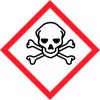
GHS Information
Signal word
DANGER!
Section 2
SECTION 2: Hazards identification
OSHA Physical state Solid. Odor : Odorless.
Potential Acute Health Effects
Page: 2/9 2. Inhalation Toxic by inhalation. Can cause target organ damage. Corrosive to the respiratory system. May cause burns to mouth, throat and stomach. May cause sensitization by inhalation. Once sensitized, a severe allergic reaction may occur when subsequently exposed to very low levels. Adverse symptoms may include the following: wheezing and breathing difficulties asthma anaphylactic shock Persons with a history of asthma, allergies or chronic or recurrent respiratory disease should not be employed in any process in which this product is used. Exposure can cause lung irritation, chest pain and edema, which may be fatal. Fluoride Compounds: Material is extremely destructive to tissue of the mucous membranes and upper respiratory tract. Symptoms include: burning sensation, coughing, wheezing and breathing difficulties, shortness of breath, headache, nausea or vomiting, pulmonary edema. Severe over-exposure can result in death. Ingestion Harmful if swallowed. Corrosive to the digestive tract. May cause burns to mouth, throat and stomach. Can cause target organ damage. Adverse symptoms may include the following: nausea or vomiting stomach pains Ingestion may cause gastrointestinal irritation and diarrhea. Fluoride Compounds Symptoms include necrotic lesions, hemmhoragic gastritis, pancreatitis Skin Corrosive to the skin. Causes burns. Prolonged or repeated contact with skin or mucous membrane may result in irritation symptoms, such as redness, blistering, dermatitis etc. Toxic in contact with skin. This product contains material(s) that are absorbed through the skin. Can cause target organ damage. and symptoms similar to those listed under inhalation or ingestion. May cause sensitization by skin contact. Prolonged or repeated contact may cause dermatitis. Once sensitized, a severe allergic reaction may occur when subsequently exposed to very low levels. In the event of any complaints or symptoms, avoid further exposure. Persons with a history of skin sensitization problems should not be employed in any process in which this product is used. Fluoride compounds are highly corrosive and readily penetrates the skin causing destruction of deep tissue layers, including bone. Pain may be delayed for up to 24 hours following exposure to concentrations of 1-50% and is often not reported until tissue damage is extreme. Concentrations greater than 50% cause immediate burning, redness and tissue damage. Without immediate medical attention, tissue destruction may continue for days and result in limb loss or death. The extent of burns depends on the concentration, temperature and duration of contact with the acid. Systemic fluoride toxicity can cause hypocalcemia, hypomagnesemia, hyperkalemia, pulmonary edema, metabolic acidosis, ventricular arrythmias and possible death. Eyes Corrosive to eyes. Causes burns. Direct contact with the eyes can cause irreversible damage, including blindness. Potential chronic health effects
Potential chronic health
Contains material that can cause target organ damage. Adverse symptoms may include the following: Fluoride salt.: Prolonged or repeated exposure may cause blood in stool or urine, circulatory collapse, gastric perforation and coma. Sodium bifluoride can cause profound hypocalcemia due to systemic poison to kidneys, liver, and gastrointestinal tract. Toxic effects may not appear immediately. High concentrations may cause cardiac arrest. Exposure to fluorides over years may produce embrittlement and decalcification of bones and possible fluorosis. Target organs : Contains material which may cause damage to the following organs: kidneys, liver, mucous membranes, gastrointestinal tract, cardiovascular system, upper respiratory tract, skin, bones, central nervous system (CNS), eye, lens or cornea, teeth, thyroid. Carcinogenicity Not classified or listed by IARC NTP
Teratogenic Effects
Not classified. Page: 3/9 2. Developmental effects : Not classified. Fertility effects : Not classified. Medical conditions Pre-existing respiratory, skin and digestive disorders and disorders involving any other aggravated by over- target organs mentioned in this MSDS as being at risk may be aggravated by over- exposure exposure to this product. Persons with a history of skin sensitization problems should not be employed in any process in which this product is used. Persons suffering from respiratory problems or allergic responses should not be exposed to or handle powder coatings.



