



Note: Ingredients listed on restricted chemical lists
EC/CAS
50-00-0
Name of the chemical
Formaldehyde
Concentration
15-40%
General Information
Revision date
2015-04-23
Product name
PARAFORMALDEHYDE 32% SOLUTION, EM GRADE
1.2.2. Uses advised against
No further relevant information available
Emergency telephone
1-800-424-9300, 1-703-527-3887
Icons in SDS


Company Information
company name
Electron Microscopy Sciences
e-mail address of the competent person responsible for the Safety Data Sheet
sgkcck@aol.com
GHS Information
Signal word
Danger
Hazard Codes
Hazard statements (CLP)
H227, H302, H311, H314, H317, H318, H331, H351
Hazard statements
Code
Statements
H227
Combustible liquid
Section 2
SECTION 2: Hazards identification
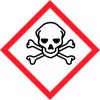
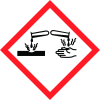
NFPA Rating Classification of the substance or mixture GHS06 Skull and crossbones Acute Tox. 3 H311 Toxic in contact with skin Acute Tox. 3 H331 Toxic if inhaled GHS08 Health hazard Carc. 2 H351 Suspected of causing cancer GHS05 Corrosion Skin Corr. 1B H314 Causes severe skin burns and eye damage Eye Dam. 1 H318 Causes serious eye damage GHS07 Acute Tox. 4 H302 Harmful if swallowed Skin Sens. 1 H317 May cause an allergic skin reaction H227 Combustible liquid Classification according to Directive 67/548/EEC or Directive 1999/45/EC Toxic Toxic by inhalation and in contact with skin Contd. of page 1) Corrosive Causes severe burns Harmful Harmful if swallowed. Limited evidence of a carcinogenic effect Irritant Risk of serious damage to eyes. May cause sensitisation by skin contact Information concerning particular hazards for human and environment The product has to be labeled due to the calculation procedure of international guidelines Classification system The classification was made according to the latest editions of international substances lists, and expanded upon from company and literature data
2.2 Label elements
· Labelling according to EU guidelines: The product has been classified and marked in accordance with directives on hazardous materials. · Code letter and hazard designation of product: Toxic
Hazardous Ingredients
formaldehyde
Hazard statements
Harmful if swallowed. Toxic by inhalation and in contact with skin. Causes severe burns. Limited evidence of a carcinogenic effect. Risk of serious damage to eyes. May cause sensitisation by skin contact. · WHMIS-symbols: B3 - Combustible liquid D1B - Toxic material causing immediate and serious toxic effects D2B - Toxic material causing other toxic effects E - Corrosive material (Contd. of page 2)
Precautionary statements
In case of contact with eyes, rinse immediately with plenty of water and seek medical advice. Wear suitable protective clothing, gloves and eye/face protection. In case of accident or if you feel unwell, seek medical advice immediately (show the label where possible). This material and its container must be disposed of as hazardous waste.
Classification system
· NFPA ratings (scale 0 - 4) Health = 2 2 Fire = 2 2 0 Reactivity = 0 · HMIS-ratings (scale 0 - 4) HEALTH 2 Health = 2 FIRE 2 Fire = 2 REACTIVITY 0 Reactivity = 0
PBT Substances
Not applicable
vPvB Substances
Not applicable
2.1 Classification of the substance or mixture
GHS06 Skull and crossbones Acute Tox. 3 H311 Toxic in contact with skin. Acute Tox. 3 H331 Toxic if inhaled. GHS08 Health hazard Carc. 2 H351 Suspected of causing cancer. GHS05 Corrosion Skin Corr. 1B H314 Causes severe skin burns and eye damage. Eye Dam. 1 H318 Causes serious eye damage. GHS07 Acute Tox. 4 H302 Harmful if swallowed. Skin Sens. 1 H317 May cause an allergic skin reaction. H227 Combustible liquid. · Classification according to Directive 67/548/EEC or Directive 1999/45/EC Toxic Toxic by inhalation and in contact with skin. (Contd. of page 1) Corrosive Causes severe burns. Harmful Harmful if swallowed. Limited evidence of a carcinogenic effect. Irritant Risk of serious damage to eyes. May cause sensitisation by skin contact. · Information concerning particular hazards for human and environment: The product has to be labeled due to the calculation procedure of international guidelines. · Classification system: The classification was made according to the latest editions of international substances lists, and expanded upon from company and literature data.



