





Note: Ingredients listed on restricted chemical lists
EC/CAS
12054-48-7
Name of the chemical
Nickel hydroxide
Concentration
N/A
EC/CAS
1307-96-6
Name of the chemical
Cobaltoxid (in Form atembarer Stäube/Aerosole)
Concentration
N/A
EC/CAS
7440-02-0
Name of the chemical
Nickel
Concentration
N/A
EC/CAS
1310-58-3
Name of the chemical
potassium hydroxide
Concentration
N/A
EC/CAS
1310-65-2
Name of the chemical
Lithium hydroxide
Concentration
N/A
General Information
Revision date
2015-04-29
Product name
Common Synonyms
Chemical name
Electrical Battery Standby
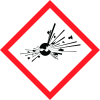
Icons in SDS


Company Information
company name
Dorcy International Inc.
GHS Information
Signal word
DANGER
Section 2
SECTION 2: Hazards identification
Classification according to Regulation (EC) No 1272/2008[CLP]] GHS-US Labeling
Signal word
DANGER Hazard and Precautionary Statements: Nickel Dihydroxide: Carc. 1A; H350i Repr. 1B; H360D, Muta. 2; H341, STOT RE 1; H372, Acute Tox. 4; H332, Acute Tox. 4; H302, Skin Irrit. 2; H315, Resp. Sens. 1; H334,Skin Sens. 1; H317, Aquatic Acute 1; H400, Aquatic Chronic 1; H410 Cobalt Oxide: Acute Tox. 4; H302, Skin Sens. 1; H317, Aquatic Acute 1; H400, Aquatic Chronic 1; H410 Nickel Powder: Carc. 2; H351, STOT RE 1; H372, Skin Sens. 1; H317, Aquatic Chronic 3; H412 Potassium Hydroxide: Acute Tox. 4; H302, Skin Corr. 1A; H314 Lithium Hydroxide: Acute Tox. 4; H302, Skin Corr. 1B; H314, Aquatic Chronic 3; H412 Nickel: Carc. 2; H351, STOT RE 1; H372, Skin Sens. 1; H317, Aquatic Chronic 3; H412 R-phrases(code and full text): R20/22: Harmful by inhalation and if swallowed. R22: Harmful if swallowed. R34: Causes burns. R35: Causes severe burns. R38: Irritating to skin. R40: Limited evidence of a carcinogenic effect. R42/43: May cause sensitization by inhalation and skin contact. R43: May cause sensitization by skin contact. R48/23 Toxic danger of serious damage to health by prolonged exposure through inhalation R49: May cause cancer by inhalation. R50/53: Very toxic to aquatic organisms, may cause long-term adverse effects in the aquatic environment. R52/53: Harmful to aquatic organisms, may cause long-term adverse effects in the aquatic environment. R61: May cause harm to the unborn child. R68: Possible risk of irreversible effects. Hazard Statements Danger Contact with internal components may cause irritation of severe burns Irritating to eyes, respiratory system, and skin.
Hazard statements
(code and full text) H302: Harmful if swallowed. H314: Causes severe skin burns and eye damage. H315: Causes skin irritation. H317: May cause an allergic skin reaction. H332: Harmful if inhaled. H334: May cause allergy or asthma symptoms or breathing difficulties if inhaled. H350: May cause cancer. H351: Suspected of causing cancer. H360: May damage fertility or the unborn child. H372: Causes damage to organs through prolonged or repeated exposure. H400: Very toxic to aquatic life. H410: Very toxic to aquatic life with long lasting effects. H412: Harmful to aquatic life with long lasting effects.
Precautionary statements
Keep out of reach of children. Keep containers tightly closed. Avoid heat, sparks, and open flame while charging batteries. Avoid contact with internal acid.
Potential health effects
EYES: Direct contact of internal electrolyte liquid with eyes may cause severe burns or blindness. SKIN: Direct contact of internal electrolyte liquid with the skin may cause skin irritation or damaging INGESTION: Swallowing this product may cause severe burns to the esophagus and digestive tract and harmful or fatal lead poisoning. Lead ingestion may cause nausea, vomiting, weight loss, abdominal spasms, fatigue, and pain in the arms, legs and joints. INHALATION: Respiratory tract irritation and possible long-term effects.
Acute Health Hazards
Repeated or prolonged contact may cause mild skin irritation
Health hazards
Lead poisoning if persons are exposed to internal components of the batteries. Lead absorption may cause nausea, vomiting, weight loss, abdominal spasms, fatigue, and pain in the arms, legs and joints. Other effects may include central nervous system damage, kidney dysfunction, and potential reproductive effects. Chronic inhalation of sulfuric acid mist may increase the risk of lung cancer.
Medical Conditions Generally Aggravated by Exposure
Respiratory and skin diseases may predispose the user to acute and chronic effects of sulfuric acid and/or lead. Children and pregnant woman must be protected from lead exposure. Persons with kidney disease may be at increased risk of kidney failure.
2.1 Classification of the substance or mixture
This product is not classified as hazardous. Classification according to Directive 67/548/EEC[DSD] or Directive 1999/45/EC[DPD] This product is not classified as hazardous. Product contains toxic chemicals that are subject to the reporting requirements of Section 302 and 313 of the Emergency Planning and Community Right-to-Know Act of 1986).


