



Note: Ingredients listed on restricted chemical lists
EC/CAS
64742-49-0
Name of the chemical
Naphtha (petroleum), hydrotreated light
Concentration
30-60
General Information
Revision date
2023-01-01
Product name
EVERSTICK
CAS No.
64742-49-0
1.2.1 Relevant identified uses
Trowellable adhesive for synthetic grass
Icons in SDS


Company Information
company name
David Golf & Engineering
e-mail address of the competent person responsible for the Safety Data Sheet
sales@davidgolf.com.au
GHS Information
Signal word
Danger, Warning
Hazard Codes
Hazard statements (CLP)
H225, H304, H315, H335, H336, H411
Hazard statements
Code
Statements
H225
Highly Flammable liquid and vapour
Section 2
SECTION 2: Hazards identification
This material is hazardous according to health criteria of Safe Work Australia.
Signal word
Danger, Warning
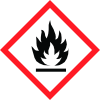
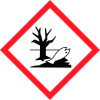
Hazard pictograms
Hazard Classification Flammable Liquids - Category 2 Skin Corrosion/Irritation - Category 2 Hazardous to the aquatic environment, chronic toxicity Category 2 Aspiration Hazard - Category 1 Specific Target Organ Toxicity (Single Exposure) - Category 3 Hazardous statements H225 - Highly flammable liquid and vapour H315 - Causes skin irritation H411 - Toxic to aquatic life with long lasting effects H304 - May be fatal if swallowed and enters airways H335 - May cause respiratory irritation H336 - May cause drowsiness or dizziness
Prevention
P210 - Keep away from heat, hot surfaces, sparks, open flames and other ignition sources. No smoking. P233 - Keep container tightly closed. P240: Ground/bond container and receiving equipment. P241 - Use explosion-proof electrical/ventilating/light/ application equipment /equipment. P242 - Use only non-sparking tools. P243 - Take precautionary measures against static discharge. P280 - Wear protective gloves/protective clothing/eye protection/face protection. P264 - Wash hands thoroughly after handling. P273 - Avoid release to the environment. P261 - Avoid breathing dust/fumes/gas/mist/vapours/spray. P271 - Use only outdoors or in a well-ventilated area.
Response
P303+361+353 - IF ON SKIN (or hair): Remove/Take off immediately all contaminated clothing. Rinse skin with water/ shower. P370+378 - In case of fire: Use Carbon Dioxide, (CO2), Dry Chemical, Foam to extinguish. P302+352 - IF ON SKIN: Wash with plenty of water. P332+313 - If skin irritation occurs: Get medical advice/attention. P362 - Take off contaminated clothing. P391 - Collect spillage. P301+310 - IF SWALLOWED: Immediately call a POISON CENTER/doctor/physician P331 - Do NOT induce vomiting. P304+340 - IF INHALED: Remove person to fresh air and keep comfortable for breathing. P312 - Call a POISON CENTER/ doctor/ physician /if you feel unwell.
Storage
P403+235 - Store in a well ventilated place. Keep cool. P405 - Store locked up. P403+233 - Store in a well ventilated place. Keep container tightly closed.
Precautionary statements
P501: Dispose of contents/container in accordance with local/international regulations.
Other hazards which do not result in classification
AUH066: Repeated exposure may cause skin dryness or cracking Dangerous Goods Class: 3 -FLAMMABLE LIQUID AUSTRALIAN POISONS SCHEDULE (SUSDP): S5 This material is a Schedule Poison and must be stored, maintained and used in accordance with the relevant regulations.
2.1 Classification of the substance or mixture
Flammable Liquids - Category 2 Skin Corrosion/Irritation - Category 2 Hazardous to the aquatic environment, chronic toxicity Category 2 Aspiration Hazard - Category 1 Specific Target Organ Toxicity (Single Exposure) - Category 3 Hazardous statements H225 - Highly flammable liquid and vapour H315 - Causes skin irritation H411 - Toxic to aquatic life with long lasting effects H304 - May be fatal if swallowed and enters airways H335 - May cause respiratory irritation H336 - May cause drowsiness or dizziness



