

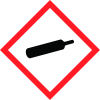
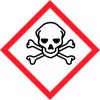
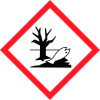
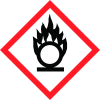
Note: Ingredients listed on restricted chemical lists
EC/CAS
7782-50-5
Name of the chemical
Chlorine
Concentration
>99.5%
General Information
Version
11.1
Revision date
2022-06-20
Product name
CHLORINE
Product Synonyms
Cl2; chlorine gas; chlorinemol.; chlorine molecule; diatomic chlorine; molecular chlorine; chlorine water; Gas Code No. 160; misspelling as clorine; liquefied chlorine
Chemical name
Not Available
CAS No.
7782-50-5
1.2.1 Relevant identified uses
chlorinated hydrocarbons, ethylene glycol, glycerine and tetraethyl lead. [~Intermediate ~] The use of a quantity of material in an unventilated or confined space may result in increased exposure and an irritating atmosphere developing. Before starting consider control of exposure by mechanical ventilation
Icons in SDS


Company Information
company name
Coogee
e-mail address of the competent person responsible for the Safety Data Sheet
enquiry@coogee.com.au
GHS Information
Signal word
Danger
Hazard Codes
Hazard statements (CLP)
H270, H280, H315, H319, H331, H335, H400
Hazard statements
Code
Statements
H270
May cause or intensify fire; oxidiser
Section 2
SECTION 2: Hazards identification
No 1272/2008 Classification of the substance or mixture
Signal word
Danger
Hazard statements
H270 May cause or intensify fire; oxidiser. H280 Contains gas under pressure; may explode if heated. H315 Causes skin irritation. H319 Causes serious eye irritation. H331 Toxic if inhaled. Page 1 continued... H335 May cause respiratory irritation. H400 Very toxic to aquatic life. AUH044 Risk of explosion if heated under confinement.
Supplemental label elements
Not Applicable
Prevention
P220 Keep away from clothing and other combustible materials. P244 Keep valves and fittings free from oil and grease.
Response
P305+P351+P338 IF IN EYES: Rinse cautiously with water for several minutes. Remove contact lenses, if present and easy to do. Continue rinsing. P370+P376 In case of fire: Stop leak if safe to do so.
Storage
P403+P233 Store in a well-ventilated place. Keep container tightly closed. P405 Store locked up.
Disposal
P501 Dispose of contents/container to authorised hazardous or special waste collection point in accordance with any local regulation.
2.1 Classification of the substance or mixture
[1] Irritation Category 2A, Acute Toxicity (Inhalation) Category 3, Specific Target Organ Toxicity - Single Exposure (Respiratory Tract Irritation) Category 3, Hazardous to the Aquatic Environment Acute Hazard Category 1 Legend: 1. Classified by Chemwatch; 2. Classification drawn from HCIS; 3. Classification drawn from Regulation (EU) No 1272/2008 - Annex VI



