

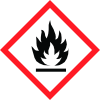

Note: Ingredients listed on restricted chemical lists
EC/CAS
200-661-7/67-63-0
Name of the chemical
Propan-2-ol
Concentration
N/A
EC/CAS
231-791-2/7732-18-5
Name of the chemical
Water, distilled, conductivity or of similar purity H2O
Concentration
N/A
General Information
Revision date
2016-04-01
Product name
PSWE0003
Manufacturer Name
Contec, Inc
Emergency telephone
US 1-800-424-9300 International 1-703-527-3887
Icons in SDS


Company Information
company name
Contec, Inc
GHS Information
Signal word
DANGER!
Section 2
Signal word
DANGER! GHS Class: Flammable Liquid, Category 2. Eye Irritant, Category 2. Specific Target Organ Toxicity, Single Exposure, Category 3.
Hazard statements
Highly flammable liquid and vapor. Causes serious eye irritation. May cause drowsiness or dizziness.
Precautionary statements
Keep away from heat/sparks/open flames — No smoking. Take precautionary measures against static discharge. In case of fire: Use dry chemical, carbon dioxide to extinguish small fires. Use water for large fires. Wear protective gloves, protective clothing, and eye protection. Avoid breathing vapors. Store in a well-ventilated place. Keep container tightly closed. IF IN EYES: Rinse cautiously with water for several minutes. If eye irritation persists: Get medical advice/attention. IF INHALED: Remove victim to fresh air and keep at rest in a position comfortable for breathing. Call a POISON CENTER or doctor/physician if you feel unwell. IF ON SKIN (or hair): Remove/Take off immediately all contaminated clothing. Rinse skin with water/shower. Dispose of contents/container in accordance with Local, State, Federal and Provincial regulations. Emergency Overview: DANGER! Flammable. Irritant. May cause drowsiness or dizziness.
Principle Routes of Exposure
Eyes. Skin. Inhalation.
Potential health effects
Eye: Eye contact with product or vapors may result in irritation, redness, and blurred vision. May cause pain disproportionate to the level of irritation to eye tissues. Vapor may cause eye irritation experienced as mild discomfort and redness. May cause moderate corneal injury. Skin: May cause irritation. Repeated exposure may cause a burning sensation and dryness or cracking. Prolonged skin contact is unlikely to result in absorption of harmful amounts. Inhalation: Inhalation of vapors, fumes or mists of the product may be irritating to the respiratory system. Excessive exposure (400 ppm) may cause eye, nose and throat irritation. Higher levels may cause incoordination, confusion, hypotension, hypothermia, circulatory collapse, respiratory arrest, and death may follow a longer duration and higher levels. In confined or poorly ventilated areas, vapors can readily accumulate and can cause unconsciousness and death. Ingestion: May cause irritation. Ingesting large amounts may cause injury. May cause central nervous system depression, nausea and vomiting. Aspiration of material into the lungs can cause chemical pneumonitis which can be fatal.
Potential chronic health
Prolonged or repeated contact may cause skin irritation. Repeated or prolonged inhalation may cause toxic effects. Signs/Symptoms: Overexposure may cause headaches and dizziness. Signs and symptoms of excessive exposure include facial flushing, low blood pressure, irregular heartbeats. Target Organs: Eyes. Skin. Respiratory system. Digestive system. Aggravation of Pre-Existing None generally recognized. Conditions:



