




Note: Ingredients listed on restricted chemical lists
EC/CAS
141-78-6
Name of the chemical
acetic acid, ethyl ester
Concentration
29.8082
EC/CAS
7440-67-7
Name of the chemical
Zirconium and its compounds, with the exception of the substances listed under reference number 50 in Annex III, and the zirconium lakes, pigments or salts of the colouring agents when listed in Annex IV
Concentration
–
EC/CAS
7440-02-0
Name of the chemical
Nickel
Concentration
6.2573 2.6817
EC/CAS
67-56-1
Name of the chemical
Methanol
Concentration
0.0435
EC/CAS
7440-50-8
Name of the chemical
Copper
Concentration
0.0189
EC/CAS
7440-66-6
Name of the chemical
Zinc ()
Concentration
0.0224 0.0086
EC/CAS
98-54-4
Name of the chemical
4-tert-Butylphenol (2018/1480)
Concentration
0.0095
EC/CAS
3811-04-9
Name of the chemical
Potassium chlorate
Concentration
0.0012 –
EC/CAS
592-87-0
Name of the chemical
Lead thiocyanate
Concentration
0.0005
EC/CAS
108-05-4
Name of the chemical
Vinylacetat (944/2013)
Concentration
≤0.0015
EC/CAS
10022-31-8
Name of the chemical
Barium-nitrate
Concentration
≤0.0005
General Information
Version
1.0
Revision date
2022-10-04
Product name
201SB FUZE, SB TRAINING; 201FB FUZE, TRAINING; 201FB FUZE, TRAINING 0.5SEC; 7200 FB, TRAINING KIT; 201SB FUZE, SB TRAINING; 201FB FUZE, TRAINING; 201FB FUZE, TRAINING 0.5SEC; 7200 FB, TRAINING KIT;7200M MINI FB, TRAINING
1.2.1 Relevant identified uses
Explosive
Emergency telephone
(800)255-3924, +1 (813)248-0585
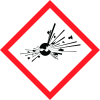
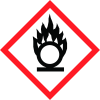
Icons in SDS


Company Information
company name
Combined Systems, Inc
GHS Information
Signal word
Danger
Hazard Codes
Hazard statements (CLP)
H204, H251, H271, H302, H317, H319, H334, H336, H350, H372, H401
Hazard statements
Code
Statements
H204
Fire or projection hazard
H251
Self-heating; may catch fire
H271
May cause fire or explosion; strong oxidizer
H302
Harmful if swallowed
H317
May cause an allergic skin reaction
H319
Causes serious eye irritation
H334
May cause allergy or asthma symptoms or breathing difficulties if inhaled
H336
May cause drowsiness or dizziness
H350
May cause cancer
H372
Causes damage to organs through prolonged or repeated exposure
H401
Toxic to aquatic life
Section 2
SECTION 2: Hazards identification
GHS US classification Classification of the Substance or Mixture GHS-US Classification Explosive Category 1.4 H204 Self-heating substances and mixtures Category 1 H251 Oxidizing solids Category 1 H271 Acute toxicity (oral) Category 4 H302 Serious eye damage/eye irritation Category 2 H319 Respiratory sensitization, Category 1 H334 Skin sensitization, Category 1 H317 Carcinogenicity Category 1A H350 Specific target organ toxicity — Single exposure, Category 3, Narcosis H336 Specific target organ toxicity (repeated exposure) Category 1 H372 Hazardous to the aquatic environment - Acute Hazard Category 2 H401 Combustible Dust
2.2 Label elements
GHS-US Labeling
Hazard pictograms
GHS01 GHS02 GHS03 GHS07 GHS08
Signal word
Danger
Hazard statements
May form combustible dust concentrations in air. H204 - Fire or projection hazard. H251 - Self-heating; may catch fire. H271 - May cause fire or explosion; strong oxidizer. H302 - Harmful if swallowed. H317 - May cause an allergic skin reaction. H319 - Causes serious eye irritation. H334 - May cause an allergy or asthma symptoms or breathing difficulties if inhaled. H336 - May cause drowsiness or dizziness. H350 - May cause cancer. H372 - Causes damage to organs through prolonged or repeated exposure. H401 - Toxic to aquatic life.
Precautionary statements
P201 - Obtain special instructions before use. P202 - Do not handle until all safety precautions have been read and understood. P210 - Keep away from heat, hot surfaces, sparks, open flames and other ignition sources. No smoking. P221 - Take any precaution to avoid mixing with combustible material, oxidizable materials, and incompatible materials. P235+P410 - Keep cool. Protect from sunlight. P240 - Ground/Bond container and receiving equipment. P250 - Do not subject to grinding/shock/friction. P260 - Do not breathe vapors, mist, or spray. P264 - Wash hands, forearms, and other exposed areas thoroughly after handling. P270 - Do not eat, drink or smoke when using this product. P271 - Use only outdoors or in a well-ventilated area. P272 - Contaminated work clothing must not be allowed out of the workplace. P273 - Avoid release to the environment. P280 - Wear protective gloves, protective clothing, and eye protection. P283 - Wear fire/flame resistant/retardant clothing. P284 - [In case of inadequate ventilation] wear respiratory protection. P301+P312 - If swallowed: Call a poison center or doctor if you feel unwell. P302+P352 - If on skin: Wash with plenty of water. P304+P340 - If inhaled: Remove person to fresh air and keep at rest in a position comfortable for breathing. P305+P351+P338 - If in eyes: Rinse cautiously with water for several minutes. Remove contact lenses, if present and easy to do. Continue rinsing. P306+P360 - If on clothing: Rinse immediately contaminated clothing and skin with plenty of water before removing clothes. P308+P313 - If exposed or concerned: Get medical advice/attention. P312 - Call a poison center or doctor if you feel unwell. P321 - Specific treatment (see section 4 on this SDS). P330 - Rinse mouth. P333+P313 - If skin irritation or rash occurs: Get medical advice/attention. P337+P313 - If eye irritation persists: Get medical advice/attention. P342+P311 - If experiencing respiratory symptoms: Call a poison center or doctor. P363 - Wash contaminated clothing before reuse. P370+P380 - In case of fire: Evacuate area. P372 - Explosion risk in case of fire. P373 - DO NOT fight fire when fire reaches explosives. P401 - Store in accordance with local, regional, national, and international regulations. P403+P233 - Store in a well-ventilated place. Keep container tightly closed. P405 - Store locked up. P407 - Maintain air gap between stacks/pallets. P420 - Store away from other materials. P501 - Dispose of contents/container in accordance with local, regional, national, and international regulations.
Additional information
Keep away from heat, hot surfaces, sparks, open flames and other ignition sources. No smoking. Proper grounding procedures to avoid static electricity should be followed. Prevent dust accumulation (to minimize explosion hazard). Avoid generating dust.
Other hazards
Energetic effects (blast effects, heat, noise, and shrapnel) from functioning of the product can cause serious physical injuries.
Ingredient(s) with unknown acute toxicity
No data available
2.1 Classification of the substance or mixture
GHS-US Classification Explosive Category 1.4 H204 Self-heating substances and mixtures Category 1 H251 Oxidizing solids Category 1 H271 Acute toxicity (oral) Category 4 H302 Serious eye damage/eye irritation Category 2 H319 Respiratory sensitization, Category 1 H334 Skin sensitization, Category 1 H317 Carcinogenicity Category 1A H350 Specific target organ toxicity — Single exposure, Category 3, Narcosis H336 Specific target organ toxicity (repeated exposure) Category 1 H372 Hazardous to the aquatic environment - Acute Hazard Category 2 H401 Combustible Dust


