


Note: Ingredients listed on restricted chemical lists
EC/CAS
68476-30-2
Name of the chemical
Fuel oil, no. 2
Concentration
N/A
EC/CAS
14808-60-7
Name of the chemical
Silica, crystalline
Concentration
N/A
General Information
Revision date
2018-11-30
Product name
Cold Patch Asphalt
Product Synonyms
Cold Patch Asphalt, Hot Mix Cold Lay Asphalt, Cold Asphalt Paving Material, Cold Mix
1.2.1 Relevant identified uses
Cold patch asphalt is used for repairing asphalt pavement, driveways, parking lots and
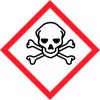
Icons in SDS
Company Information
company name
Coco Paving Inc
GHS Information
Signal word
WARNING
Section 2
SECTION 2: Hazards identification
WHMIS 2015 Classified according to Canada’s Hazardous Products Regulations (WHMIS 2015).
2.1 Classification of the substance or mixture
Acute toxicity (Inhalation) Category 4 Skin Irritation Category 3 Eye Irritation Category 2B Carcinogenicity Category 2
2.2 Label elements
WARNING Hot product can cause burns. Eye Harmful if swallowed Gloves Protection Harmful in contact with skin Harmful if inhaled Causes mild skin irritation Causes eye irritation Product may release Hydrogen Sulfide (H2S) gas. Apron Use proper engineering controls, work practices, and personal protective equipment. Read SDS for details.
2.3 Other hazards
Cold patch asphalt is a dark brown to black colored mixture of gravel, rock, sand and asphalt cement that has a petroleum odor. Hot product will cause severe thermal burns. If burned by hot product, cool affected area immediately with flowing cool water. Seek medical attention. This product may release toxic hydrogen sulfide (H2S), particularly if heated. Skin contact on repeated or prolonged basis can cause drying of the skin which may result in irritation or dermatitis. Cold patch asphalt is not listed as a carcinogen by IARC or NTP, some components of the product are. The International Agency for Research on Cancer (IARC) has concluded that occupational exposures to oxidized asphalt and their emissions during roofing operations are “probably carcinogenic to Humans (Group 2A). IARC concluded that occupational exposures to hard asphalt and their emissions during mastic asphalt work are “possibly carcinogenic to humans” (Group 2B). This product contains trace amounts of crystalline silica. Cutting, crushing or grinding hardened asphalt or other crystalline silica-bearing materials will release respirable crystalline silica. Prolonged or repeated inhalation of respirable crystalline silica from this product can cause silicosis, a seriously disabling and fatal lung disease.



