

General Information
Revision date
2024-02-01
Product name
Oxidizing Solid
Product Synonyms
Chlorine Dioxide Generating Cartridge
Chemical name
Oxidizing Solid
CAS No.
7758-19-2
1.2.1 Relevant identified uses
and Various Applications
supplier name
ClorDiSys Solutions
Icons in SDS


Company Information
company name
ClorDiSys Solutions
GHS Information
Signal word
DANGER
Section 2
SECTION 2: Hazards identification
HMIS Classification EMERGENCY OVERVIEW: This product is a white, flaked, oxidizing solid. This product may have a slight chlorine odor. Color: White Form: Flakes / Powder Odor: Odorless to slight chlorine odor
Health hazards
CORROSIVE. FATAL IF INHALED. TOXIC IF SWALLOWED. CAUSES SKIN IRRITATION. CAUSES SERIOUS EYE DAMAGE. INGESTION MAY CAUSE DAMAGE TO: BLOOD SYSTEM AND KIDNEY SYSTEM. INHALATION MAY CAUSE DAMAGE TO THE RESPIRATORY SYSTEM. MAY CAUSES DAMAGE TO THE BLOOD AND KIDNEYS THROUGH PROLONGED OR REPEATED EXPOSURES.
Physical hazards
STRONG OXIDIZER. Contact with other materials may cause fire or explosion Aquatic Toxicity: HARMFUL TO AQUATIC LIFE. Statement(s) May intensify fire; oxidizer GHS- Health Hazard Statement(s) Fatal if Inhaled Toxic if Swallowed Causes Serious Eye Damage Causes Skin Irritation May Cause Damage to Organs (Respiratory, Kidney and Blood Systems) May Cause Damage to Renal System (Kidneys) and Blood System Through Prolonged or Repeated Exposure
Precautionary statements
Keep away from heat/sparks/open flames/hot surfaces. No smoking. Keep/store away from clothing and other combustible materials. Take any precaution to avoid mixing with combustibles, acids, chlorine or organic materials. Ear protective gloves, protective clothing, eye and face protection. Wash hands thoroughly after handling. Do not eat, drink or smoke when using this product. Do not breathe dust. Avoid release to the environment. Additional Hazards: This material is corrosive and an oxidizer. This material’s pH and oxidative action contribute to its health and physical hazards. Do not Breathe Dust, Fume, Gas, Mist, Vapors, or Spray In Case of Inadequate Ventilation, Wear Respiratory Protection Wear Protective Gloves, Protective Clothing, Eye and Face Protection Wash Thoroughly After Handling Use Only Outdoors or in a Well-Ventilated Area Do Not Eat, Drink or Smoke When Using This Product Keep Away From Heat Keep/Store Away From Clothing and Other Combustible Materials Take any Precaution to Avoid Mixing with Combustibles IF INHALED: Remove person to fresh air and keep comfortable for breathing Specific treatment is urgent (see Section 4 of SDS or First Aid information on this label) IF IN EYES: Rinse cautiously with water for several minutes. Remove contact lenses, if present and easy to do so. Continue rinsing IF SWALLOWED: Immediately call POISON CENTER or doctor/physician. Rinse mouth. Specific Treatment (see Section 4 of the safety data sheet and/or the First Aid information on the product label) IF ON SKIN Wash with plenty of water. If skin irritation occurs Get medical advice/attention. Take off contaminated clothing and wash it before reuse. IN CASE OF FIRE: Use agent suitable for surrounding fire to extinguish Storage Store locked up Store in well-ventilated place. Keep container tightly closed Disposal Dispose of contents and container in accordance with applicable local, regional, national and/or international regulations.
2.1 Classification of the substance or mixture
GHS: Contact Hazard- Skin Category 2 - Causes skin irritation GHS: Contact Hazard- Eye Category 1 - Causes serious eye damage GHS: Acute Toxicity- Inhalation Category 2 – Fatal if inhaled GHS Acute Toxicity- Oral Category 3 – toxic if Swallowed GHS Target Organ Toxicity (Single Exposure) Category 2 – May Cause Damage to Respiratory System, Blood, Kidneys GHS Target organ Toxicity (Repeated Exposure) Category 2 – May Cause Damage to Blood and/or Kidneys GHS: Carcinogenicity Not classified as a carcinogen per GHS criteria. This product is not classified as a carcinogen by NTP IARC or
Hazard pictograms
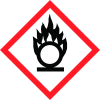
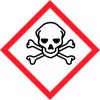
Oxidizer, Skull and Crossbones, Corrosion, Health Hazard
Signal word
DANGER
2.3 Other hazards
None Identified See Section 11: Toxicological Information



