


Note: Ingredients listed on restricted chemical lists
EC/CAS
1310-73-2
Name of the chemical
sodium hydroxide
Concentration
N/A
General Information
Revision date
2014-06-10
Product name
CSI MULTICHLOR
Manufacturer Name
PDQ Manufacturing, Inc
Emergency telephone
Chemtrec, Reference CCN798262
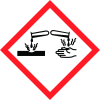
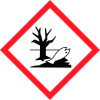
Icons in SDS


Company Information
company name
CLEAN SOLUTIONS, INC
GHS Information
Signal word
Danger
Hazard Codes
Hazard statements (CLP)
H314, H400
Hazard statements
Code
Statements
H314
Causes severe skin burns and eye damage
Section 2
SECTION 2: Hazards identification
Skin Corrosion/Irritation, Category 1B Aquatic Toxicity (Acute), Category 1 Skin Corrosion/Irritation, Category 1A
Signal word
DANGER
Hazard statements
H314 - Causes severe skin burns and eye damage. H400 - Very toxic to aquatic life.
Precautionary statements
P260 - Do not breathe dust/fume/gas/mist/vapours/spray. P264 - Wash hands thoroughly after handling. P280 - Wear protective gloves/protective clothing/eye protection/face protection. P273 - Avoid release to the environment.
Response
P303+361+353 - IF ON SKIN (or hair): Remove/take off immediately all contaminated clothing. Rinse skin with water/shower. P363 - Wash contaminated clothing before reuse. P305+351+338 - IF IN EYES: Rinse cautiously with water for several minutes. Remove contact lenses, if present and easy to do. Continue rinsing. Call a poison control center or physician for treatment advice. Have product container or label with you when calling poison control center or physician. P301+330+331 - IF SWALLOWED: Rinse mouth. Do NOT induce vomiting. P304+340 - IF INHALED: Remove victim to fresh air and keep at rest in a position comfortable for breathing. P310 - Immediately call a Poison Control Center or doctor. P391 - Corrosive to skin - repeated or prolonged exposure may result in dermatitis or skin sensitization.
Storage
P405 - Store locked up. P501 - Unused product is not a RCRA Hazardous waste. However, contaminated product and wastes may be RCRA hazardous. Users are advised to determine the appropriate disposal method based on local, state and federal regulations and comply with those regulations. Hazard Rating System: HMIS NFPA Health: 3 Flammability: 0 Physical: 2 Instability: 1 PPE: Special Hazard: OX
Potential health effects
Acute and Chronic) Chronic None. Prolonged or repeated skin contact may cause dermatitis Effects may be delayed. Inhalation: May cause severe irritation of the respiratory tract with sore throat, coughing, shortness of breath and delayed lung edema. Irritation may lead to chemical pneumonitis and pulmonary edema. Causes severe irritation of upper respiratory tract with coughing, burns, breathing difficulty, and possible coma. Causes chemical burns to the respiratory tract. Skin Contact: Causes skin irritation. Causes skin burns. May cause deep, penetrating ulcers of the skin. May cause skin rash (in milder cases), and cold and clammy skin with cyanosis or pale color. Eye Contact: Causes eye irritation. Causes eye burns. May cause chemical conjunctivitis and corneal damage. Ingestion: Causes gastrointestinal irritation with nausea, vomiting and diarrhea. May cause severe and permanent damage to the digestive tract. Causes gastrointestinal tract burns. May cause perforation of the digestive tract. Causes severe pain, nausea, vomiting, diarrhea, and shock. May cause corrosion and permanent tissue destruction of the esophagus and digestive tract. May cause systemic effects.



