



Note: Ingredients listed on restricted chemical lists
EC/CAS
9016-87-9
Name of the chemical
4,4'-Methylendiphenyldiisocyanat tech. (Polymeres) MDI, pMDI (in Form atembarer Aerosole, A-Fraktion)
Concentration
N/A
EC/CAS
78-40-0
Name of the chemical
Phosphoric acid, triethyl ester, TEP
Concentration
N/A
EC/CAS
68476-85-7
Name of the chemical
Petroleum gases, liquefied
Concentration
N/A
General Information
Revision date
2020-07-23
Product name
FoamFlo Fire
Product name
FoamFlo Fire
Identification on the label/Trade name
AEROSOLS
Product Synonyms
S GHS AUS EN
Emergency telephone
CHEMWATCH EMERGENCY RESPONSE
Icons in SDS
Company Information
company name
Iccons
e-mail address of the competent person responsible for the Safety Data Sheet
info@iccons.com.au
GHS Information
Signal word
Danger
Hazard Codes
Hazard statements (CLP)
H222, H302, H315, H317, H319, H334, H335, H336, H351, H361d, H373
Hazard statements
Code
Statements
H222
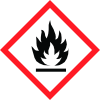
Extremely flammable aerosol
Section 2
2.1 Classification of the substance or mixture
Poisons Schedule S6 Flammable Aerosols Category 1, Acute Toxicity (Oral) Category 4, Skin Corrosion/Irritation Category 2, Eye Irritation Category 2A, Skin [1] Sensitizer Category Respiratory Sensitizer Category 1, Carcinogenicity Category 2, 1, Reproductive Toxicity Category 2, Specific target organ toxicity - single exposure Category 3 (respiratory tract irritation), Specific target organ toxicity - single exposure Category 3 (narcotic effects), Specific target organ toxicity - repeated exposure Category 2 Legend: 1. Classified by Chemwatch; 2. Classification drawn from HCIS; 3. Classification drawn from Regulation (EU) No 1272/2008 - Annex VI
Signal word
Danger
Hazard statements
H222 Extremely flammable aerosol. H302 Harmful if swallowed. H315 Causes skin irritation. H319 Causes serious eye irritation. H317 May cause an allergic skin reaction. H334 May cause allergy or asthma symptoms or breathing difficulties if inhaled. H351 Suspected of causing cancer. H361d Suspected of damaging the unborn child. H335 May cause respiratory irritation. H336 May cause drowsiness or dizziness. H373 May cause damage to organs through prolonged or repeated exposure. AUH044 Risk of explosion if heated under confinement.
Prevention
P201 Obtain special instructions before use. P260 Do not breathe mist/vapours/spray. P271 Use only outdoors or in a well-ventilated area. P280 Wear protective gloves/protective clothing/eye protection/face protection/hearing protection/...
Response
P304+P340 IF INHALED: Remove person to fresh air and keep comfortable for breathing. P308+P313 IF exposed or concerned: Get medical advice/attention. P342+P311 If experiencing respiratory symptoms: Call a POISON CENTER/doctor/... P302+P352 IF ON SKIN: Wash with plenty of water.
Storage
P405 Store locked up. P403+P233 Store in a well-ventilated place. Keep container tightly closed.
Disposal
P501 Dispose of contents/container to authorised hazardous or special waste collection point in accordance with any local regulation.



