

Note: Ingredients listed on restricted chemical lists
EC/CAS
64742-95-6
Name of the chemical
Solvent naphtha (petroleum), light arom
Concentration
N/A
General Information
Revision date
2015-05-21
Product name
GEMCOAT
Manufacturer Name
Chemcoat, Inc
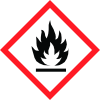
Icons in SDS
Company Information
company name
Chemcoat, Inc
GHS Information
Signal word
Danger
Hazard Codes
Hazard statements (CLP)
H225
Hazard statements
Code
Statements
H225
Highly Flammable liquid and vapour
Section 2
Classifications
Flammable liquid
Hazard statements
H225 Highly flammable liquid and vapor
Precautionary statements
P210 Keep away from heat/sparks/open flames/hot surfaces - No smoking P233 Keep container tightly closed P240 Ground/bond container and receiving equipment P241 Use explosion-proof electrical/ventilating/light/.../equipment P242 Use only non-sparking tools P243 Take precautionary measures against static discharge P280 Wear protective gloves/protective clothing/eye protection/face protection P303+P361- IF ON SKIN (or hair): Remove/Take off immediately all contaminated clothing. Rinse skin with water/shower P370+P378 In case of fire: Use ... for extinction P403+P235 Store in a well ventilated place. Keep cool P501 Dispose of contents/container .
Principle Routes of Exposure
Inhalation; Skin Contact; Eye Contact; Ingestion Exposure to this material may affect the following organs: Blood; Eyes; Kidneys; Liver; Lungs; Central Nervous System; Skin Effects of Overexposure: Short Term Exposure: The substance irritates the eyes, skin, and respiratory tract. High exposures, above the occupational exposure levels, can cause weakness, headache, and drowsiness and may cause unconsciousness. Trimethyl benzene can affect you when inhaled. It irritates the eyes, skin, and respiratory tract. Exposure can cause you to feel dizzy, lightheaded, and to pass out. Symptoms of exposure can also include headache, drowsiness, fatigue, dizziness, nausea, incoordination, vomiting, nervousness, tenseness, and confusion. Liquid deposition in lungs causes bronchitis or chemical pneumonitis. Contact can irritate the skin. Exposure can irritate the eyes and respiratory tract. Exposure to high concentrations can cause dizziness, lightheadedness, and unconsciousness. Long Term Exposure: n-Butyl acetate may cause skin allergy. n-Butyl acetate has been shown to damage the developing fetus in animals. Prolonged and repeated exposure to butyl acetates can cause defatting, drying and cracking of the skin. Although many solvents and petroleum-based products cause lung, brain and nerve damage, these chemicals have not been adequately evaluated to determine these effects. Repeated exposures can cause headaches, tiredness, and a feeling of nervous tension. Exposure can affect the blood cells and the blood's clotting ability; hypochromic anemia. A delayed or chronic health hazard is possible asthmatic bronchitis with coughing and/or shortness of breath. The use of alcoholic beverages enhances the effect. It may cause liver damage. The liquid destroys the skin's natural oils, causing drying and cracking. Repeated skin exposure can cause dryness and skin cracking. This chemical has not been adequately evaluated to determine whether brain or nerve damage could occur with repeated exposure; however, many solvents and other petroleum-based chemicals have been shown to cause such damage. Effects may include reduced memory and concentration, personality changes (withdrawal, irritability), fatigue, sleep disturbances, reduced coordination, and/or effects on the nerves to the arms and legs (weakness, "pins and needles"). Carcinogenicity: The following chemicals comprise 0.1% or more of this mixture and are listed and/or classified as carcinogens or potential carcinogens by NTP, IARC, OSHA, or ACGIH.



