


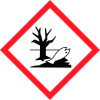
Note: Ingredients listed on restricted chemical lists
EC/CAS
91-64-5
Name of the chemical
2H-1-Benzopyran-2-one
Concentration
N/A
EC/CAS
122-40-7
Name of the chemical
2-Benzylideneheptanal
Concentration
N/A
EC/CAS
106-22-9
Name of the chemical
Citronellol/ (±) 3,7-Dimethyl-6-octen-1-ol
Concentration
N/A
EC/CAS
8000-46-2
Name of the chemical
Pelargonium graveolens oil (40)
Concentration
N/A
EC/CAS
97-53-0
Name of the chemical
eugenol
Concentration
N/A
EC/CAS
104-55-2
Name of the chemical
Cinnamaldehyde/3-phenyl-propen-2-al
Concentration
N/A
EC/CAS
78-70-6
Name of the chemical
1,6-Octadien-3-ol, 3,7-dimethyl
Concentration
N/A
EC/CAS
98-55-5
Name of the chemical
2-(4-methylcyclohex-3-en-1-yl)propan-2-ol; p-Menth-1-en-8-ol (alpha-Terpineol); 1-methyl-4-(1-methylvinyl)cyclohexan-1-ol (beta-Terpineol); 1-methyl-4-(1-methylethylidene)cyclohexan-1-ol (gamma-Terpineol) (40)
Concentration
N/A
EC/CAS
5392-40-5
Name of the chemical
Citral
Concentration
N/A
General Information
Revision date
2020-08-10
Product name
Nag Champa
Icons in SDS
Company Information
company name
CandleScience
GHS Information
Signal word
WARNING
Section 2
Classification according to GHS
2012 (29 CFR PARTS 1910, 1915, AND 1926) Skin Corrosion/Irritation: Category 3 Eye Damage/Irritation: Category 2A Skin Sensitization: Category 1A
Signal word
WARNING
Hazard statements
Toxic to aquatic life. Toxic to aquatic life with long lasting effects. Causes serious eye irritation. May cause an allergic skin reaction. Causes skin irritation.
Prevention
Wash hands thoroughly after handling. Avoid release to the environment. Wear protective gloves/clothing/face protection.
Response
If eye irritation persists Get medical advice/attention. If skin irritation occurs Get medical advice/attention. Collect spillage.
Storage
Store in a well-ventilated area. Keep cool.
Disposal
Dispose of contents/container in accordance with local/national laws and regulations. Please note: Mixtures have not been tested for health hazards. The health hazard information presented is provided in accordance with US 29 CFR 1910.1200 and is based on the testing of individual components which have been shown to cause or may cause these health effects when tested at higher concentrations or at full strength.



