


Note: Ingredients listed on restricted chemical lists
General Information
Revision date
2016-05-17
Product name
Acetone
CAS No.
67-64-1
Emergency telephone
CANUTEC, (613) 996-6666
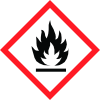
Icons in SDS
Company Information
company name
Caledon Laboratories Ltd
GHS Information
Signal word
Danger
Section 2
2.1 Classification of the substance or mixture
Flammable liquid - Category 2; Eye irritation - Category 2A; Specific target organ toxicity (single exposure) - Category 3
2.2 Label elements
Danger
Hazard statements
Highly flammable liquid and vapour. Causes serious eye irritation. May cause respiratory irritation. May cause drowsiness or dizziness.
Prevention
Keep away from heat/sparks/open flames/hot surfaces. – No smoking. Keep container tightly closed. Ground/bond container and receiving equipment. Use explosion-proof electrical, ventilating, and lighting equipment. Use only non-sparking tools. Take precautionary measures against static discharge. Avoid breathing dust/fume/gas/mist/vapours/spray. Wash hands and skin thoroughly after handling. Use only outdoors or in a well-ventilated area. Wear protective gloves/eye protection/face protection.
Response
IF ON SKIN (or hair): Take off immediately all contaminated clothing. Rinse skin with water/shower. IF INHALED: Remove person to fresh air and keep comfortable for breathing. IF IN EYES: Rinse cautiously with water for several minutes. Remove contact lenses, if present and easy to do. Continue rinsing. Call a POISON CENTRE or doctor if you feel unwell. If eye irritation persists: Get medical advice or attention. In case of fire: Use appropriate foam, dry chemical powder to extinguish.
Storage
Store locked up. Date of preparation Store in a well-ventilated place. Keep container tightly closed. Store locked up.
Disposal
May 17, 2016 Dispose of contents and container in accordance with local, regional, national and international regulations. In case of fire: Use appropriate foam, dry chemical powder to extinguish. Dispose of contents and container in accordance with local, regional, national and international regulations.
2.3 Other hazards
Carcinogenicity No component of this product present at levels greater than or equal to 0.1% is identified as a known or anticipated carcinogen by NTP, IARC, or OSHA.



