




Note: Ingredients listed on restricted chemical lists
EC/CAS
64742-95-6
Name of the chemical
Solvent naphtha (petroleum), light arom
Concentration
20-25
EC/CAS
8052-41-3
Name of the chemical
Stoddard Solvent; Naphtha (petroleum), hydrodesulfurized heavy
Concentration
20-30
EC/CAS
64742-82-1
Name of the chemical
Naphtha (petroleum), hydrodesulfurized heavy
Concentration
8-10
General Information
Version
2.1
Revision date
2025-12-12
Product name
MAC-300
Manufacturer Name
BITEC, Inc
Emergency telephone
1-800-535-8597
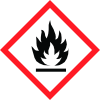
Icons in SDS


Company Information
company name
BITEC, Inc
GHS Information
Signal word
Danger
Hazard Codes
Hazard statements (CLP)
H226, H304, H319, H332, H340, H350, H361, H400, H411
Hazard statements
Code
Statements
H226
Flammable liquid and vapour
Section 2
SECTION 2: Hazards identification
Classification (GHS-US) Classification of the Substance or Mixture Classification (GHS-US) Flam. Liq. 3 H226 Asp. Tox. 1 H304 Eye Irrit. 2A H319 Mutagenicity, 1B H340 Carc., 1B H350 Reproductive Tox. 2 H361 Aquatic Acute 1 H400 Aquatic Chronic 2 H411
2.2 Label elements
GHS-US Labeling
Signal word
Danger
Hazard statements
H226 – Flammable liquid and vapor. H304 – May be fatal if swallowed and enters airways H319 – Causes serious eye irritation. H332 – Harmful if inhaled. H340 – May cause genetic defects. H350 – May cause cancer. H361 – Suspected of damaging fertility or the unborn child. H400 – Very toxic to aquatic life. H411 – Toxic to aquatic life with long lasting effects.
Precautionary statements
P201 – Obtain special instructions before use. P202 – Do not handle until all safety precautions have been read and understood. P210 – Keep away from heat/sparks/open flames/hot surfaces. –no smoking. P233 – Keep container tightly closed. P240 – Ground/bond container and receiving equipment. P241 – Use explosion-proof electrical/ventilating/lighting equipment. P242 – Use only non-sparking tools. P243 – Take precautionary measures against static discharge. P264 – Wash hands, forearms, and other exposed areas thoroughly after handling. P273 – Avoid release to the environment. P280 – Wear protective gloves/protective clothing/eye protection/face protection. P301+P310 – IF SWALLOWED: Immediately call a POISON CENTER or doctor/physician. P303+P361+P353 – IF ON SKIN (or hair): Remove/Take off immediately all contaminated clothing. Rinse skin with water/shower. P305+P351+P338 – IF IN EYES: Rinse cautiously with water for several minutes. Remove contact lenses, if present and easy to do. Continue rinsing. P308+P313 – If exposed or concerned: Get medical advice/attention. P331 – Do NOT induce vomiting. P337+P313 – If eye irritation persists: Get medical advice/attention. P370+P378 – In case of fire: use appropriate media to extinguish. P391 – Collect spillage. P403+P235 – Store in a well-ventilated place. Keep cool. P405 – Store locked up. P501 – Dispose of contents/container according to local, regional, national, and international regulations.
Other hazards which do not result in classification
Exposure may aggravate those with pre-existing eye, skin, or respiratory conditions
Ingredient(s) with unknown acute toxicity
No data available
2.1 Classification of the substance or mixture
Classification (GHS-US) Flam. Liq. 3 H226 Asp. Tox. 1 H304 Eye Irrit. 2A H319 Mutagenicity, 1B H340 Carc., 1B H350 Reproductive Tox. 2 H361 Aquatic Acute 1 H400 Aquatic Chronic 2 H411



