



Note: Ingredients listed on restricted chemical lists
EC/CAS
1305-62-0
Name of the chemical
Calcium dihydroxide
Concentration
N/A
EC/CAS
1309-42-8
Name of the chemical
Magnesium hydroxide
Concentration
N/A
EC/CAS
14808-60-7
Name of the chemical
Silica, crystalline
Concentration
N/A
EC/CAS
215-137-3
Name of the chemical
Calcium hydroxide
Concentration
N/A
EC/CAS
238-878-4
Name of the chemical
Quarz-A-Staub (s. u. TRGS 906)
Concentration
N/A
EC/CAS
215-168-2
Name of the chemical
Iron Oxide Red
Concentration
N/A
General Information
Revision date
2021-08-16
Product name
HYDROLIME
Product Synonyms
BUILDERS CHOICE HYDROLIME ● BUILDERS LIME ● CALCIUM HYDROXIDE ● HL20 ● HYDRATED
1.2.1 Relevant identified uses
BINDING AGENT ● FLUX ● NEUTRALISING AGENT
supplier name
BGC CEMENT
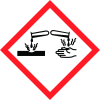
Icons in SDS
Company Information
company name
BGC CEMENT
GHS Information
Signal word
Danger
Hazard Codes
Hazard statements (CLP)
H315, H318, H335, H350, H373
Hazard statements
Code
Statements
H315
Causes skin irritation
Section 2
2.1 Classification of the substance or mixture
CLASSIFIED AS HAZARDOUS ACCORDING TO SAFE WORK AUSTRALIA CRITERIA
Physical hazards
Not classified as a Physical Hazard
Health hazards
Skin Corrosion/Irritation: Category 2 Serious Eye Damage / Eye Irritation: Category 1 Specific Target Organ Toxicity (Single Exposure): Category 3 (Respiratory Irritation) Carcinogenicity: Category 1A Specific Target Organ Toxicity (Repeated Exposure): Category 2
Environmental hazards
Not classified as an Environmental Hazard
Signal word
DANGER
Hazard statements
H315 Causes skin irritation. H318 Causes serious eye damage. H335 May cause respiratory irritation. H350 May cause cancer. H373 May cause damage to organs through prolonged or repeated exposure.
Prevention
P201 Obtain special instructions before use. P202 Do not handle until all safety precautions have been read and understood. P260 Do not breathe dust/fume/gas/mist/vapours/spray. P264 Wash thoroughly after handling. P271 Use only outdoors or in a well-ventilated area. P280 Wear protective gloves/protective clothing/eye protection/face protection/hearing protection.
Response
P302 + P352 IF ON SKIN: Wash with plenty of water. P304 + P340 IF INHALED: Remove person to fresh air and keep comfortable for breathing. P305 + P351 + P338 IF IN EYES: Rinse cautiously with water for several minutes. Remove contact lenses, if present and easy to do. Continue rinsing. P308 + P313 IF exposed or concerned: Get medical advice/ attention. P310 Immediately call a POISON CENTRE or doctor/physician. P321 Specific treatment is advised - see first aid instructions. P362 + P364 Take off contaminated clothing and wash it before reuse.
Storage
P403 + P233 Store in a well-ventilated place. Keep container tightly closed. P405 Store locked up.
Disposal
P501 Dispose of contents/container in accordance with relevant regulations.
2.3 Other hazards
When wet, hydrolime can cause burns to skin.



