


Note: Ingredients listed on restricted chemical lists
EC/CAS
14808-60-7
Name of the chemical
Silica, crystalline
Concentration
N/A
EC/CAS
100-51-6
Name of the chemical
Benzyl Alcohol
Concentration
N/A
EC/CAS
13463-67-7
Name of the chemical
Reaction mass of titanium dioxide and silver chloride
Concentration
N/A
EC/CAS
14807-96-6
Name of the chemical
Talc
Concentration
N/A
EC/CAS
64742-95-6
Name of the chemical
Solvent naphtha (petroleum), light arom
Concentration
N/A
EC/CAS
90-72-2
Name of the chemical
2,4,6-tris(dimethylaminomethyl)phenol
Concentration
N/A
General Information
Revision date
2018-09-19
Product name
EPOXY MASTIC DEEP BASE
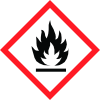
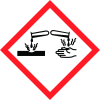
Icons in SDS
Company Information
company name
Benjamin Moore & Co
GHS Information
Signal word
Danger
Section 2
2.1 Classification of the substance or mixture
This chemical is considered hazardous by the 2012 OSHA Hazard Communication Standard (29 CFR 1910.1200) Skin corrosion/irritation Category 2 Serious eye damage/eye irritation Category 2A Respiratory sensitization Category 1 Skin sensitization Category 1 Carcinogenicity Category 1A Reproductive toxicity Category 2 Specific target organ toxicity (single exposure) Category 3 Specific target organ toxicity (repeated exposure) Category 1 Aspiration toxicity Category 1 Flammable liquids Category 3
2.2 Label elements
Danger
Hazard statements
Causes skin irritation Causes serious eye irritation May cause allergy or asthma symptoms or breathing difficulties if inhaled May cause an allergic skin reaction May cause cancer Suspected of damaging fertility or the unborn child May cause respiratory irritation. May cause drowsiness or dizziness Causes damage to organs through prolonged or repeated exposure May be fatal if swallowed and enters airways Flammable liquid and vapor Appearance liquid Odor solvent
Prevention
Obtain special instructions before use Do not handle until all safety precautions have been read and understood Use personal protective equipment as required Wash face, hands and any exposed skin thoroughly after handling In case of inadequate ventilation wear respiratory protection Contaminated work clothing should not be allowed out of the workplace Do not breathe dust/fume/gas/mist/vapors/spray Do not eat, drink or smoke when using this product Use only outdoors or in a well-ventilated area Keep away from heat, hot surfaces, sparks, open flames and other ignition sources. No smoking Keep container tightly closed Ground/bond container and receiving equipment Use explosion-proof electrical/ventilating/lighting/equipment Use only non-sparking tools Take precautionary measures against static discharge Keep cool Wear protective gloves/protective clothing/eye protection/face protection
Response
IF exposed or concerned: Get medical advice/attention Eyes IF IN EYES: Rinse cautiously with water for several minutes. Remove contact lenses, if present and easy to do. Continue rinsing If eye irritation persists: Get medical advice/attention Skin If skin irritation or rash occurs: Get medical advice/attention IF ON SKIN (or hair): Remove/Take off immediately all contaminated clothing. Rinse skin with water/shower Wash contaminated clothing before reuse Inhalation If experiencing respiratory symptoms: Call a POISON CENTER or doctor/physician IF INHALED: Remove victim to fresh air and keep at rest in a position comfortable for breathing Ingestion IF SWALLOWED: Immediately call a POISON CENTER or doctor/physician Do NOT induce vomiting Fire In case of fire: Use CO2, dry chemical, or foam for extinction
Storage
Store locked up Store in a well-ventilated place. Keep container tightly closed
Precautionary statements
Disposal Dispose of contents/container to an approved waste disposal plant
2.3 Other hazards
Not applicable
Further information
No information available
Other hazards
IMPORTANT: Designed to be mixed with other components. Mixture will have hazards of all components. Before opening packages, read all warning labels. Follow all precautions.



