


General Information
Version
3.0
Revision date
2024-03-15
Product name
Pyraclostrobin Technical
Chemical name
pyraclostrobin (ISO); methyl N-{2-[1-(4-chlorophenyl)-1H-pyrazol-3- pyraclostrobin (ISO); methyl N-{2-[1-(4-chlorophenyl)-1H-pyrazol-3-yloxymethyl]phenyl}(N-methoxy)carbamate
CAS No.
175013-18-0
1.2.1 Relevant identified uses
crop protection active ingredient
Emergency telephone
+49 180 2273-112
Icons in SDS


Company Information
company name
BASF SE
e-mail address of the competent person responsible for the Safety Data Sheet
Produktinformation-Pflanzenschutz@basf.com
GHS Information
Signal word
Danger
Hazard Codes
Hazard statements (CLP)
H302, H315, H331, H335, H361d, H373, H400, H410
Hazard statements
Code
Statements
H302
Harmful if swallowed
Section 2
SECTION 2: Hazards identification
According to Regulation (EC) No 1272/2008 [CLP Classification of the substance or mixture
Signal word
Danger
Hazard statements
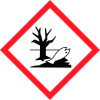
H315 Causes skin irritation. H331 Toxic if inhaled. H302 Harmful if swallowed. H335 May cause respiratory irritation. H361d Suspected of damaging the unborn child. H373 May cause damage to organs (Liver, Nasal cavity, Gastrointestinal tract) through prolonged or repeated exposure. H400 Very toxic to aquatic life. H410 Very toxic to aquatic life with long lasting effects.
Prevention
P271 Use only outdoors or in a well-ventilated area. P273 Avoid release to the environment. P280 Wear protective gloves, protective clothing and eye protection or face protection. P260 Do not breathe dust/gas/mist/vapours. P201 Obtain special instructions before use. P202 Do not handle until all safety precautions have been read and understood. P270 Do not eat, drink or smoke when using this product. P264 Wash contaminated body parts thoroughly after handling.
Response
P311 Call a POISON CENTER or physician. P304 + P340 IF INHALED: Remove person to fresh air and keep comfortable for breathing. P302 + P352 IF ON SKIN: Wash with plenty of soap and water. P330 Rinse mouth. P391 Collect spillage. P308 + P313 IF exposed or concerned: Get medical attention. P362 + P364 Take off contaminated clothing and wash it before reuse.
Storage
P403 + P233 Store in a well-ventilated place. Keep container tightly closed. P405 Store locked up.
Precautionary statements
(Disposal) P501 Dispose of contents and container to hazardous or special waste collection point.
2.1 Classification of the substance or mixture
According to Regulation (EC) No 1272/2008 [CLP] Acute Tox. 3 (Inhalation - mist) H331 Toxic if inhaled. Acute Tox. 4 (oral) H302 Harmful if swallowed. Skin Irrit. 2 H315 Causes skin irritation. Repr. 2 H361d Suspected of damaging the unborn child. STOT SE 3 H335 May cause respiratory irritation. STOT RE 2 H373 May cause damage to organs (Liver, Nasal cavity, Gastrointestinal tract) through prolonged or repeated exposure. Aquatic Acute 1 H400 Very toxic to aquatic life. Aquatic Chronic 1 H410 Very toxic to aquatic life with long lasting effects. M-factor acute: 100 M-factor chronic: 100 For the classifications not written out in full in this section the full text can be found in section 16.



