



Note: Ingredients listed on restricted chemical lists
EC/CAS
7722-64-7
Name of the chemical
Kaliumpermanganat (2018/1480)
Concentration
1-10 1-10
EC/CAS
7732-18-5
Name of the chemical
Water, distilled, conductivity or of similar purity H2O
Concentration
60-100
General Information
Version
2.1
Revision date
2024-05-24
Product name
HONEYCOMB
Product name
HONEYCOMB
Identification on the label/Trade name
CORROSIVE LIQUID, N.O.S. (contains selenious acid)
Product Synonyms
TRADITIONAL PATINA HONEYCOMB
Chemical name
Not Applicable
1.2.1 Relevant identified uses
Brown patina for all metals Use according to manufacturer"s directions
Icons in SDS


Company Information
company name
Barnes NZ
e-mail address of the competent person responsible for the Safety Data Sheet
info@barnesnz.co.nz
GHS Information
Signal word
Danger
Hazard Codes
Hazard statements (CLP)
H290, H302, H314, H361, H372, H411
Hazard statements
Code
Statements
H290
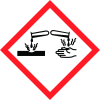
May be corrosive to metals
Section 2
SECTION 2: Hazards identification
2.1 Classification of the substance or mixture
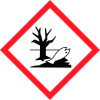
Environment Long-Term Hazard Category 2 Legend: 1. Classified by Chemwatch; 2. Classification drawn from CCID EPA NZ; 3. Classification drawn from Regulation (EU) No 1272/2008 - Annex VI Determined by Chemwatch 8.1A, 6.1D (oral), 8.2B, 8.3A, 6.8B, 6.9A, 9.1B using GHS/HSNO criteria
Signal word
Danger
Hazard statements
H290 May be corrosive to metals. H302 Harmful if swallowed. H314 Causes severe skin burns and eye damage. H361 Suspected of damaging fertility or the unborn child. H372 Causes damage to organs through prolonged or repeated exposure. H411 Toxic to aquatic life with long lasting effects.
Prevention
P201 Obtain special instructions before use. Page 1 continued... P260 Do not breathe mist/vapours/spray. P264 Wash all exposed external body areas thoroughly after handling. P280 Wear protective gloves, protective clothing, eye protection and face protection. P234 Keep only in original packaging. P270 Do not eat, drink or smoke when using this product. P273 Avoid release to the environment.
Response
P301+P330+P331 IF SWALLOWED: Rinse mouth. Do NOT induce vomiting. If more than 15 mins from Doctor, INDUCE VOMITING (if conscious). P303+P361+P353 IF ON SKIN (or hair): Take off immediately all contaminated clothing. Rinse skin with water [or shower]. P305+P351+P338 IF IN EYES: Rinse cautiously with water for several minutes. Remove contact lenses, if present and easy to do. Continue rinsing. P308+P313 IF exposed or concerned: Get medical advice/ attention. P310 Immediately call a POISON CENTER/doctor/physician/first aider. P363 Wash contaminated clothing before reuse. P390 Absorb spillage to prevent material damage.
Storage
P405 Store locked up.
Disposal
P501 Dispose of contents/container to authorised hazardous or special waste collection point in accordance with any local regulation.



