



Note: Ingredients listed on restricted chemical lists
EC/CAS
67-63-0
Name of the chemical
Propan-2-ol
Concentration
4.99-9.99
EC/CAS
91-20-3
Name of the chemical
Naphthalene,3
Concentration
0.99-4.99
General Information
Revision date
2015-07-29
Product name
DMO-3000
supplier name
Bachman Services, Inc
Emergency telephone
South America ( all countries
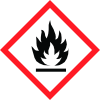
Icons in SDS


Company Information
company name
Bachman Services, Inc
e-mail address of the competent person responsible for the Safety Data Sheet
sdsinfo@innospecinc.com
GHS Information
Signal word
Danger
Hazard Codes
Hazard statements (CLP)
H226, H304, H315, H319, H336, H351
Hazard statements
Code
Statements
H226
Flammable liquid and vapour
Section 2
SECTION 2: Hazards identification
29 CFR 1910.1200) OSHA/HCS status : This material is considered hazardous by the OSHA Hazard Communication Standard (29 CFR 1910.1200).
2.1 Classification of the substance or mixture
FLAMMABLE LIQUIDS - Category 3 SKIN CORROSION/IRRITATION - Category 2 SERIOUS EYE DAMAGE/ EYE IRRITATION - Category 2 CARCINOGENICITY - Category 2 SPECIFIC TARGET ORGAN TOXICITY (SINGLE EXPOSURE) (Narcotic effects) - Category 3
Aspiration hazard
Category 1
Signal word
Danger
Hazard statements
H226 - Flammable liquid and vapor. H319 - Causes serious eye irritation. H315 - Causes skin irritation. H351 - Suspected of causing cancer. H304 - May be fatal if swallowed and enters airways. H336 - May cause drowsiness and dizziness.
Prevention
P201 - Obtain special instructions before use. P202 - Do not handle until all safety precautions have been read and understood. P281 - Use personal protective equipment as required. P280 - Wear protective gloves. Wear eye or face protection. P210 - Keep away from heat, hot surfaces, sparks, open flames and other ignition sources. No smoking. P241 - Use explosion-proof electrical, ventilating, lighting and all material-handling equipment. P242 - Use only non-sparking tools. P243 - Take precautionary measures against static discharge. P233 - Keep container tightly closed. P271 - Use only outdoors or in a well-ventilated area. P261 - Avoid breathing vapor. P264 - Wash hands thoroughly after handling.
Response
P308 + P313 - IF exposed or concerned: Get medical attention. P304 + P340 + P312 - IF INHALED: Remove victim to fresh air and keep at rest in a position comfortable for breathing. Call a POISON CENTER or physician if you feel unwell. P301 + P310 + P331 - IF SWALLOWED: Immediately call a POISON CENTER or physician. Do NOT induce vomiting. P303 + P361 + P353 - IF ON SKIN (or hair): Take off immediately all contaminated clothing. Rinse skin with water or shower. P302 + P352 + P362-2 - IF ON SKIN: Wash with plenty of soap and water. Take off contaminated clothing. P332 + P313 - If skin irritation occurs: Get medical attention. P305 + P351 + P338 - IF IN EYES: Rinse cautiously with water for several minutes. Remove contact lenses, if present and easy to do. Continue rinsing. P337 + P313 - If eye irritation persists: Get medical attention.
Storage
P405 - Store locked up. P403 - Store in a well-ventilated place. P235 - Keep cool.
Disposal
P501 - Dispose of contents and container in accordance with all local, regional, national and international regulations.
2.3 Other hazards
None known. Target organs : Contains material which causes damage to the following organs: upper respiratory tract, skin, central nervous system (CNS), eye, lens or cornea. Contains material which may cause damage to the following organs: blood, kidneys, the nervous system, liver, spleen, gastrointestinal tract, ears. See toxicological information (Section 11)



