

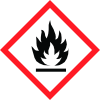
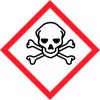

Note: Ingredients listed on restricted chemical lists
EC/CAS
67-56-1
Name of the chemical
Methanol
Concentration
100%
General Information
Version
1.8
Revision date
2020-05-10
Product name
Methanol
CAS No.
67-56-1
1.2.1 Relevant identified uses
For Laboratory, Research or Manufacturing Use
1.2.2. Uses advised against
Not determined
Icons in SDS


Company Information
company name
Avantor Performance Materials, LLC
e-mail address of the competent person responsible for the Safety Data Sheet
info@avantormaterials.com
GHS Information
Signal word
Danger
Hazard Codes
Hazard statements (CLP)
H225, H301, H311, H315, H319, H331, H361, H370
Hazard statements
Code
Statements
H225
Highly Flammable liquid and vapour
Section 2
SECTION 2: Hazards identification
Hazard Classification
Physical hazards
Flammable liquids Category 2
Health hazards
Acute toxicity (Oral) Category 3 Acute toxicity (Dermal) Category 3 Acute toxicity (Inhalation - vapor) Category 3 Skin Corrosion/Irritation Category 2 Serious Eye Damage/Eye Irritation Category 2A Toxic to reproduction Category 2 Specific Target Organ Toxicity - Category 11 Single Exposure Target Organs Central nervous system, Eyes
Signal word
Danger
Hazard statements
H311: Toxic in contact with skin. H331: Toxic if inhaled. H301: Toxic if swallowed. H225: Highly flammable liquid and vapor. H315: Causes skin irritation. H319: Causes serious eye irritation. H361: Suspected of damaging fertility or the unborn child. H370: Causes damage to organs.
Prevention
P201: Obtain special instructions before use. P260: Do not breathe dust/fume/gas/mist/vapors/spray. P202: Do not handle until all safety precautions have been read and understood. P280: Wear protective gloves/protective clothing/eye protection/face protection. P210: Keep away from heat, hot surfaces, sparks, open flames and other ignition sources. No smoking. P233: Keep container tightly closed. P240: Ground and bond container and receiving equipment. P241: Use explosion-proof [electrical/ventilating/lighting] equipment. P242: Use non-sparking tools. P243: Take action to prevent static discharges.
Response
P308+P313 IF exposed or concerned Get medical advice/attention P303+P361+P353 IF ON SKIN (or hair) Take off immediately all contaminated clothing. Rinse skin with water [or shower]. P305+P351+P338 IF IN EYES Rinse cautiously with water for several minutes. Remove contact lenses, if present and easy to do. Continue rinsing. P304+P340 IF INHALED Remove person to fresh air and keep comfortable for breathing. P301+P310 IF SWALLOWED Immediately call a POISON CENTER/doctor.
Storage
P403+P235: Store in a well-ventilated place. Keep cool. P405: Store locked up.
Disposal
P501: Dispose of contents/container to an appropriate treatment and disposal facility in accordance with applicable laws and regulations, and product characteristics at time of disposal.
2.1 Classification of the substance or mixture
Physical Hazards Flammable liquids Category 2 Health Hazards Acute toxicity (Oral) Category 3 Acute toxicity (Dermal) Category 3 Acute toxicity (Inhalation - vapor) Category 3 Skin Corrosion/Irritation Category 2 Serious Eye Damage/Eye Irritation Category 2A Toxic to reproduction Category 2 Specific Target Organ Toxicity - Category 11. Single Exposure Target Organs 1. Central nervous system, Eyes



