



Note: Ingredients listed on restricted chemical lists
EC/CAS
64742-89-8
Name of the chemical
Solvent naphtha (petroleum), light aliph
Concentration
77.53
EC/CAS
124-38-9
Name of the chemical
Carbon dioxide CO2
Concentration
2.01
EC/CAS
108-88-3
Name of the chemical
Toluene
Concentration
0.13
General Information
Version
1.0
Revision date
2015-05-23
Product name
SUPER TECH STARTING FLUID
Emergency telephone
1-800-274-5263, 1-800-325-3751
Icons in SDS


Company Information
company name
Ashland
e-mail address of the competent person responsible for the Safety Data Sheet
Requests@ashland.com
GHS Information
Signal word
Danger
Section 2
SECTION 2: Hazards identification
2.1 Classification of the substance or mixture
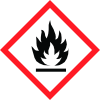
Flammable aerosols : Category 1 Carcinogenicity : Category 2 Reproductive toxicity : Category 2 Specific target organ systemic toxicity - single : Category 3 (Central nervous system) exposure
Aspiration hazard
Category 1
Signal word
Danger
Hazard statements
Extremely flammable aerosol. May be fatal if swallowed and enters airways. May cause drowsiness or dizziness. Suspected of causing cancer. Suspected of damaging fertility or the unborn child.
Prevention
Obtain special instructions before use. Do not handle until all safety precautions have been read and understood. Keep away from heat/sparks/open flames/hot surfaces. - No smoking. Do not spray on an open flame or other ignition source. Pressurized container: Do not pierce or burn, even after use. Avoid breathing dust/ fume/ gas/ mist/ vapors/ spray. Use only outdoors or in a well-ventilated area. Wear protective gloves/ protective clothing/ eye protection/ face protection.
Response
IF SWALLOWED: Immediately call a POISON CENTER or doctor/ physician. IF INHALED: Remove person to fresh air and keep comfortable for breathing. Call a POISON CENTER or doctor/ physician if you feel unwell. IF exposed or concerned: Get medical advice/ attention. Do NOT induce vomiting.
Storage
Store in a well-ventilated place. Keep container tightly closed. Store locked up. Protect from sunlight. Do not expose to temperatures exceeding 50 °C/ 122 °F.
Disposal
Dispose of contents/ container to an approved waste disposal plant.
Other hazards
None known



