


Note: Ingredients listed on restricted chemical lists
EC/CAS
7732-18-5
Name of the chemical
Water, distilled, conductivity or of similar purity H2O
Concentration
≤0.5
General Information
Revision date
2023-12-01
Product name
Acetone
Product Synonyms
2-propanone, dimethyl ketone
Chemical name
Ketones
1.2.1 Relevant identified uses
Coatings formulations, laboratory reagent, cleaning fluids, etc
supplier name
ASCC Limited
Emergency telephone
+64 4 917 9888
Icons in SDS


Company Information
company name
ASCC Limited
GHS Information
Signal word
Dangerous Goods Classification 3
Hazard Codes
Hazard statements (CLP)
H225, H303, H316, H319
Hazard statements
Code
Statements
H225
Highly Flammable liquid and vapour
Section 2
SECTION 2: Hazards identification
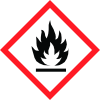
Hazardous Nature This product is classified as hazardous under HSNO criteria Hazardous Classification 3.1B, 6.1E (oral), 6.3B, 6.4A GHS Pictograms
Signal word
Dangerous Goods Classification 3 Hazard Statements H225: Highly flammable liquid and vapour H303: May be harmful if swallowed H316: Causes mild skin irritation H319: Causes serious eye irritation
Precautionary statements
P102: Keep out of reach of children. P210: Keep away from heat, hot surfaces, sparks, open flames and other ignition sources. No smoking. P233: Keep container tightly closed. P240: Ground/bond container and receiving equipment. P241: Use explosion-proof electrical/ventilating/light/…/equipment. P242: Use only non-sparking tools. P243: Take precautionary measures against static discharge. P264: Wash thoroughly after handling. P270: Do not eat, drink or smoke when using this product. P280: Wear protective gloves/protective clothing/eye protection/face protection.
Response
P301 + P312 + P330 IF SWALLOWED Call a POISON CENTER or doctor if you fell unwell. Rinse mouth P332+P313 If skin irritation occurs Get medical advice/attention P305+P351+P338 IF IN EYES Rinse cautiously with water for several minutes. Remove contact lenses if present and easy to do – continue rinsing. P370+P378 In case of fire Use water spray, mist or fog, or alcohol foam to extinguish
Storage
P403+P235: Store in a well ventilated place. Keep cool. P405: Store locked up.
Disposal
P501: Dispose of contents, or container in accordance with local/regional/national/international regulation.
2.1 Classification of the substance or mixture
3.1B, 6.1E (oral), 6.3B, 6.4A GHS Pictograms Signal Word Warning Dangerous Goods Classification 3 Hazard Statements H225: Highly flammable liquid and vapour H303: May be harmful if swallowed H316: Causes mild skin irritation H319: Causes serious eye irritation Precautionary Statements P102: Keep out of reach of children. P210: Keep away from heat, hot surfaces, sparks, open flames and other ignition sources. No smoking. P233: Keep container tightly closed. P240: Ground/bond container and receiving equipment. P241: Use explosion-proof electrical/ventilating/light/…/equipment. P242: Use only non-sparking tools. P243: Take precautionary measures against static discharge. P264: Wash thoroughly after handling. P270: Do not eat, drink or smoke when using this product. P280: Wear protective gloves/protective clothing/eye protection/face protection. Response Statements P301 + P312 + P330: IF SWALLOWED:Call a POISON CENTER or doctor if you fell unwell. Rinse mouth. P332+P313: If skin irritation occurs: Get medical advice/attention. P305+P351+P338: IF IN EYES: Rinse cautiously with water for several minutes. Remove contact lenses if present and easy to do – continue rinsing. P370+P378: In case of fire: Use water spray, mist or fog, or alcohol foam to extinguish. Storage Statements P403+P235: Store in a well ventilated place. Keep cool. P405: Store locked up. Disposal Statements P501: Dispose of contents, or container in accordance with local/regional/national/international regulation. 3. COMPOSITION: Information on Ingredients Chemical Ingredient CAS No. Proportion (%v/v) Acetone 67-64-1 ≥ 99.5 Water 7732-18-5 ≤0.5 4. FIRST AID MEASURES For advice, contact National Poisons Centre (Phone New Zealand: 0800 764 766) or a doctor. Ingestion If swallowed, do NOT induce vomiting. Obtain immediate medical advice. If vomiting occurs spontaneously, keep head below hips to prevent aspiration into lungs. Eye Contact Hold eyelids apart and flush the eye with running water for at least 15 minutes. Check for and remove any contact lenses. Continue rinsing. Seek medical attention if irritation persists Skin/Hair Contact If skin or hair contact occurs, wash with large amounts of running water. Seek medical attention if any irritation occurs. Inhalation Move the victim to fresh air and keep at rest in a position comfortable for breathing. Begin artificial respiration if breathing has stopped. Seek medical attention First Aid facilities Provide eye baths and safety showers. Medical Attention Treat according to symptoms. Avoid gastric lavage: risk of aspiration of product to the lungs with the potential to cause chemical pneumonitis. 5. FIRE FIGHTING MEASURES Shut off product that may ‘fuel’ a fire if safe to do so. Allow trained personnel to attend a fire in progress, providing firefighters with this Safety Data Sheet. Prevent extinguishing media from escaping to drains and waterways. Suitable extinguishing media Water spray, water fog or fine mist, alcohol foam. Use dry chemcial powder, carbon dioxide, sand or earth for small fires only. Hazards from combustion products Carbon monoxide, carbon dioxide Specific Hazards Can form explosive gas-air mixtures. Vapours are heavier than air and may spread along floors. Precautions for fire fighters and special protective equipment Fully self-contained breathing aparatus, overalls, and safety boots Hazchem Code: 2YE 6. ACCIDENTAL RELEASE MEASURES Accidental Release Controls Eliminate any ignition sources



