

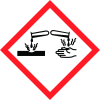

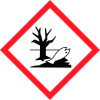
Note: Ingredients listed on restricted chemical lists
EC/CAS
231-668-3/7681-52-9
Name of the chemical
Sodium hypochlorite
Concentration
10 - 16
EC/CAS
215-185-5/1310-73-2
Name of the chemical
sodium hydroxide
Concentration
10-16
General Information
Revision date
2011-06-04
Product name
Sodium Hypochlorite, solution
Product Synonyms
Sodium Hypochlorite,
Chemical name
Sodium Hypochlorite
CAS No.
7681-52-9
REACH No
05-2118167249-33-0000
1.2.2. Uses advised against
have not been specified
Icons in SDS


Company Information
company name
as ingle
e-mail address of the competent person responsible for the Safety Data Sheet
info@ingle.ee
GHS Information
Signal word
Danger
Hazard Codes
Hazard statements (CLP)
H290, H314, H318, H335, H400
Hazard statements
Code
Statements
H290
May be corrosive to metals
Section 2
2.1 Classification of the substance or mixture
Regulation (EC) No Met. Corr. 1 H290 1272/2008/EC: Skin Corr. 1B H314 Eye Dam. 1 H318 STOT SE 3 H335 Aquatic Acute 1 H400 Contact with acids liberates toxic gas EUH031 Directive 67/548/EC R31 C; R34 N; R50
2.2 Label elements
Regulation (EC) No Sodium Hypochlorite, solution … Cl active 1272/2008/EC: Sodium hypochlorite CAS 1310-73-2 Sodium hydroxide CAS 7681-52-9 Danger! H290 - May be corrosive to metals. H314 - Causes severe skin burns and eye damage. H335 - May cause respiratory irritation. H400 - Very toxic to aquatic life. EUH031 - Contact with acids liberates toxic gas (≥ 5%). P273 - Avoid release to the environment. P280 - Use protective gloves/protective clothing/eye protection/ face protection. P303+P361+P353 – IF ON SKIN (or hair): Remove/take off all contaminated clothing immediately. Rinse skin with water/shower. P310 - Immediately call a POISON CENTER or doctor/physician. P403 - Store in a well ventilated place. P501 - Dispose of contents/container to local waste disposal company. Directive 67/548/EC: Sodium Hypochlorite, solution … Cl active Sodium hypochlorite CAS 1310-73-2 Sodium hydroxide CAS 7681-52-9 Corrosive R31 Contact with acids liberates toxic gas. R34 Causes burns. R50 Very toxic to aquatic organisms. S1/2 Keep locked up and out of the reach of children. S28 After contact with skin, wash immediately with plenty of . . . (to be specified by the manufacturer). S45 In case of accident or if you feel unwell, seek medical advice immediately (show the label where possible). S50 Do not mix with acids. S61 Avoid release to the environment. Refer to special instructions/ Safety data sheets.
2.3 Other hazards
Corrosive. Causes burnus. Contact with acids liberates toxic gas. The liberated chlorine gas is irritating to eyes and respiratory system. Sodium hypochlorite is a strongly alkaline oxidising agent. The product is very dangerous for eyes. For the wording of the R and H phrases: see Section 16.



