



Note: Ingredients listed on restricted chemical lists
EC/CAS
204-658-1/123-86-4
Name of the chemical
acetic acid, butyl ester
Concentration
40<C≤50 40<C≤50 ≥10%
General Information
Version
6
Revision date
2025-07-18
Product name
DISOLPOX
1.2.1 Relevant identified uses
Professional uses (SU22) Types of PCN use Paint removers, thinners and related auxiliaries
Emergency telephone
(+34) 973450717
Icons in SDS


Company Information
company name
ARTIC
e-mail address of the competent person responsible for the Safety Data Sheet
info@articsa.net
GHS Information
Signal word
Danger
Hazard Codes
Hazard statements (CLP)
H226, H304, H315, H319, H335, H336, H373, H412
Hazard statements
Code
Statements
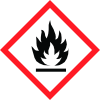
H226
Flammable liquid and vapour
Section 2
SECTION 2: Hazards identification
CLASSIFICATION OF THE SUBSTANCE OR MIXTURE Classification of mixtures is carried out in accordance with the following principles: a) when data (tests) for the classification of mixtures are available, generally is carried out based on these data, b) in the absence of data (tests) for mixtures are generally used interpolation or extrapolation methods of assessing the risk, using the available data for mixtures similarly classified, and c) in the absence of tests and information which would allow to apply interpolation or extrapolation techniques, methods are used to classify risk assessment based on the data of the individual components in the mixture Classification in accordance with Regulation (EU) No. 1272/2008~2022/692 (CLP) DANGER:Flam. Liq. 3:H226|Skin Irrit. 2:H315|Eye Irrit. 2:H319|STOT SE (irrit.) 3:H335|STOT SE (narcosis) 3:H336|STOT RE 2:H373|Asp Tox. 1:H304|Aquatic Chronic 3:H412|EUH066 Danger class Classification of the mixture Cat Routes of exposure Target organs Effects Physicochemical Flam. Liq. 3:H226 c) Cat.3 Human health Skin Irrit. 2:H315 c) Cat.2 Skin Irritation Eye Irrit. 2:H319 c) Cat.2 Eyes Irritation STOT SE (irrit.) 3:H335 c) Cat.3 Inhalation Respiratory tract Irritation STOT SE (narcosis) 3:H336 c) Cat.3 Inhalation CNS Narcosis STOT RE 2:H373 c) Cat.2 Inhalation Hearing system Damage Asp. Tox. 1:H304 c) Cat.1 Ingestion+Aspiration Lungs Dead EUH066 c) Skin Dryness, Cracking
Environmental hazards
Aquatic Chronic 3:H412 c) Cat.3 Full text of hazard statements mentioned is indicated in section 16 Note: When in section 3 a range of percentages is used, the health and environmental hazards describe the effects of the highest concentration of each component, but below the maximum value
2.2 Label elements
This product is labelled with the signal word DANGER in accordance with Regulation (EU) No. 1272/2008~2022/692 (CLP).
Hazard statements
H226 Flammable liquid and vapour. H373 May cause damage to hearing organs through prolonged or repeated exposure if inhaled. H304 May be fatal if swallowed and enters airways. H319 Causes serious eye irritation. H335 May cause respiratory irritation. H315 Causes skin irritation. H336 May cause drowsiness or dizziness. H412 Harmful to aquatic life with long lasting effects.
Precautionary statements
P210 Keep away from heat, hot surfaces, sparks, open flames and other ignition sources. No smoking. P337+P313 If eye irritation persists: Get medical advice/attention. P280 Wear protective gloves, clothing and eye protection. In case of inadequate ventilation wear respiratory protection. P301+P310-P330+ IF SWALLOWED: Immediately call a POISON CENTER or doctor. Rinse mouth. Do NOT induce vomiting. P331 P303+P361+P353- IF ON SKIN (or hair): Take off immediately all contaminated clothing. Rinse skin with water [or shower]. Wash with P352-P312 plenty of water and soap.. Call a POISON CENTER or doctor if you feel unwell. P304+P340-P312 IF INHALED: Remove person to fresh air and keep comfortable for breathing. Call a POISON CENTER or doctor if you feel unwell. P305+P351+P338- IF IN EYES: Rinse cautiously with water for several minutes. Remove contact lenses, if present and easy to do. P310 Continue rinsing. Immediately call a POISON CENTER or doctor. P273-P501 Avoid release to the environment. Dispose of contents/container in accordance with local regulations.
Hazardous Ingredients
n-butyl acetate Reaction mass of ethylbenzene and m-xylene and p-xylene
Other physicochemical hazards
Vapours may form with air a mixture potentially flammable or explosive.
Potential health effects
No other relevant adverse effects are known.
Environmental effects
Does not contain substances that fulfil the PBT/vPvB criteria. Endocrine disrupting properties: This product does not contain substances with endocrine disrupting properties identified or under evaluation.
2.1 Classification of the substance or mixture
information which would allow to apply interpolation or extrapolation techniques, methods are used to classify risk assessment based on the data of the individual components in the mixture. Classification in accordance with Regulation (EU) No. 1272/2008~2022/692 (CLP): DANGER:Flam. Liq. 3:H226|Skin Irrit. 2:H315|Eye Irrit. 2:H319|STOT SE (irrit.) 3:H335|STOT SE (narcosis) 3:H336|STOT RE 2:H373|Asp. Tox. 1:H304|Aquatic Chronic 3:H412|EUH066 Danger class Classification of the mixture Cat. Routes of exposure Target organs Effects Physicochemical: Flam. Liq. 3:H226 c) Cat.3 - Human health: Skin Irrit. 2:H315 c) Cat.2 Skin Irritation Eye Irrit. 2:H319 c) Cat.2 Eyes Irritation STOT SE (irrit.) 3:H335 c) Cat.3 Inhalation Respiratory tract Irritation STOT SE (narcosis) 3:H336 c) Cat.3 Inhalation CNS Narcosis STOT RE 2:H373 c) Cat.2 Inhalation Hearing system Damage Asp. Tox. 1:H304 c) Cat.1 Ingestion+Aspiration Lungs Dead EUH066 c) - Skin Dryness, Cracking Environment: Aquatic Chronic 3:H412 c) Cat.3 - Full text of hazard statements mentioned is indicated in section 16. Note: When in section 3 a range of percentages is used, the health and environmental hazards describe the effects of the highest concentration of each component, but below the maximum value. 2.2 LABEL ELEMENTS: This product is labelled with the signal word DANGER in accordance with Regulation (EU) No. 1272/2008~2022/692 (CLP). - Hazard statements: H226 Flammable liquid and vapour. H373 May cause damage to hearing organs through prolonged or repeated exposure if inhaled. H304 May be fatal if swallowed and enters airways.



