


Note: Ingredients listed on restricted chemical lists
EC/CAS
203-450-8/68476-85-7
Name of the chemical
Petroleum gases, liquefied
Concentration
50-<75% 10-<25%
EC/CAS
123-86-4
Name of the chemical
acetic acid, butyl ester
Concentration
10-<25%
EC/CAS
141-78-6
Name of the chemical
acetic acid, ethyl ester
Concentration
3-<10% 3-<10%
General Information
Version
4 (Replaced 3
Revision date
2024-10-04
Product name
Bright Galva
1.2.1 Relevant identified uses
Anti-corrosive paint; paint for repairing automobiles; spray paint. For professional users/industrial user only
1.2.2. Uses advised against
All uses not specified in this section or in section 7.3
Emergency telephone
+44 20 3885 0382, +44 20 3807 3798, 0844 892 0111
Icons in SDS


Company Information
company name
Arrow Solutions
e-mail address of the competent person responsible for the Safety Data Sheet
sales@arrowchem.com
GHS Information
Signal word
Danger
Hazard Codes
Hazard statements (CLP)
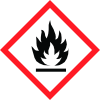
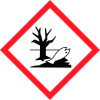
H222, H229, H319, H336, H411
Hazard statements
Code
Statements
H222
Extremely flammable aerosol
Section 2
SECTION 2: Hazards identification
Classification of the substance or mixture GB CLP Regulation (UK S.I. 2019/720 and UK S.I. 2020/1567) Classification of this product has been carried out in accordance with GB CLP Regulation (UK S.I. 2019/720 and UK S.I. 2020/1567) Aerosol 1: Pressurised container: May burst if heated., H229 Aerosol 1: Flammable aerosols, Category 1, H222 Aquatic Chronic 2: Hazardous to the aquatic environment, long-term hazard, Category 2, H411 Eye Irrit. 2: Eye irritation, Category 2, H319 STOT SE 3: Specific toxicity causing drowsiness and dizziness, single exposure, Category 3, H336
2.2 Label elements
GB CLP Regulation (UK S.I. 2019/720 and UK S.I. 2020/1567): Danger
Hazard statements
Aerosol 1 H229 - Pressurised container May burst if heated Aerosol 1: H222 - Extremely flammable aerosol. Aquatic Chronic 2: H411 - Toxic to aquatic life with long lasting effects. Eye Irrit. 2: H319 - Causes serious eye irritation. STOT SE 3: H336 - May cause drowsiness or dizziness.
Precautionary statements
P210: Keep away from heat, hot surfaces, sparks, open flames and other ignition sources. No smoking. P211: Do not spray on an open flame or other ignition source. P251: Do not pierce or burn, even after use. P271: Use only outdoors or in a well-ventilated area. P280: Wear protective gloves/protective clothing/face protection. P284: Wear respiratory protection. P304+P340 IF INHALED Remove victim to fresh air and keep at rest in a position comfortable for breathing P305+P351+P338 IF IN EYES Rinse cautiously with water for several minutes. Remove contact lenses, if present and easy to do. Continue rinsing. P410+P412: Protect from sunlight. Do not expose to temperatures exceeding 50 °C/122°F. P501: Dispose of the contents/containers in accordance with the current legislation on waste treatment
Supplemental label elements
EUH066: Repeated exposure may cause skin dryness or cracking. SECTION 2: HAZARDS IDENTIFICATION (continued)
Hazardous Ingredients
N-butyl acetate (CAS: 123-86-4)
Additional information
RCH001a For use in industrial installations only.
2.3 Other hazards
Product does not meet PBT/vPvB criteria
2.1 Classification of the substance or mixture
GB CLP Regulation (UK S.I. 2019/720 and UK S.I. 2020/1567): Classification of this product has been carried out in accordance with GB CLP Regulation (UK S.I. 2019/720 and UK S.I. 2020/1567). Aerosol 1: Pressurised container: May burst if heated., H229 Aerosol 1: Flammable aerosols, Category 1, H222 Aquatic Chronic 2: Hazardous to the aquatic environment, long-term hazard, Category 2, H411 Eye Irrit. 2: Eye irritation, Category 2, H319 STOT SE 3: Specific toxicity causing drowsiness and dizziness, single exposure, Category 3, H336



