


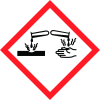
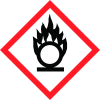
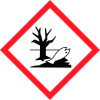

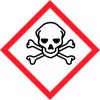
Note: Ingredients listed on restricted chemical lists
EC/CAS
7758-98-7
Name of the chemical
Copper sulphate
Concentration
30-60% 20-40% 5-15% 1-6% 231-64- 30-60% 20-40% 5-15% 1-6%
General Information
Version
11.01CLP
Revision date
2011-08-02
Product name
As above
Chemical name
Inorganic Salts Mixture
CAS No.
7758-98-7
1.2.1 Relevant identified uses
Consult the supplier
1.2.2. Uses advised against
Users are recommended to seek further advice
Emergency telephone
(800)255-3924, 813-248-0585
Icons in SDS


Company Information
company name
APi
e-mail address of the competent person responsible for the Safety Data Sheet
Kelly@apiwater.com
GHS Information
Signal word
Danger
Hazard Codes
Hazard statements (CLP)
H272, H302, H315, H317, H318, H334, H335, H371, H410
Hazard statements
Code
Statements
H272
May intensify fire; oxidiser
Section 2
SECTION 2: Hazards identification
According to Regulation (EC) No. 1272/2008 (CLP)]
Hazard pictograms
Word(s)
Hazard statements
H272 May intensify fire; oxidiser. H302: Harmful if swallowed. H315: Causes skin irritation. H317: May cause an allergic skin reaction. H318: Causes serious eye damage. H334: May cause allergy or asthma symptoms or breathing difficulties if inhaled. H335: May cause respiratory irritation. H410: Very toxic to aquatic life with long lasting effects. R8: Contact with combustible material may cause fire. R22: Harmful if swallowed. R36/37/38: Irritating to eyes, respiratory system and skin. R42/43: May cause sensitization by inhalation and skin contact. R50/53: Very toxic to aquatic organisms, may cause long-term adverse effects in the aquatic environment. H272 May intensify fire; oxidiser. H302: Harmful if swallowed. H315 Causes skin irritation. H317 May cause an allergic skin reaction. H318 Causes serious eye damage H334 May cause allergy or asthma symptoms or breathing difficulties if inhaled. H371 May cause damage to organs.
Precautionary statements
P220 Keep/Store away from clothing/ combustible materials. P261 Avoid breathing dust/fume/gas/mist/vapours/spray. P273 Avoid release to the environment. P280 Wear protective gloves/eye protection/face protection. P301 + P330 + P331 IF SWALLOWED rinse mouth. Do NOT induce vomiting P303 + P361 + P353 IF ON SKIN (or hair) Remove/Take off immediately all contaminated clothing. Rinse skin with water/shower. P305 + P351 + P338 IF IN EYES: Rinse cautiously with water for several minutes. Remove contact lenses, if present and easy to do. Continue rinsing. P342 + P311 If experiencing respiratory symptoms: Call a POISON CENTER or doctor/physician. P501 Dispose of contents/container to an approved waste disposal plant. S22 Do not breathe dust. S24 Avoid contact with skin. S26 In case of contact with eyes, rinse immediately with plenty of water and seek medical advice. S37 Wear suitable gloves. S39 Wear eye/face protection. S60 This material and its container must be disposed of as hazardous waste. S61 Avoid release to the environment. Refer to special instructions/ Safety data sheets. P220 Keep/Store away from clothing/ combustible materials. P260 Do not breathe dust/fume/gas/mist/vapours/spray. P264 Wash skin thoroughly after handling. P270 Do not eat, drink or smoke when using this product. P273 Avoid release to the environment. P280 Wear protective gloves/ eye protection/ face protection. P301 + P312 IF SWALLOWED: Call a POISON CENTER or doctor/ physician if you feel unwell. P305 + P351 + P338 IF IN EYES: Rinse cautiously with water for several minutes. Remove contact lenses, if present and easy to do. Continue rinsing. P342 + P311 If experiencing respiratory symptoms: Call a POISON CENTER or doctor/physician. P501 Dispose of contents/ container to an approved waste disposal plant. WHMIS/GHS Classification (Canada): C Oxidizer, D1B Toxic material causing immediate and serious toxic effects , D2A Respiratory sensitizer, D2B Moderate eye irritant, Skin sensitizer. E Corrosive Material. H318: Causes serious eye damage. H334 May cause allergy or asthma symptoms or breathing difficulties if inhaled. H335 May cause respiratory irritation. P261 Avoid breathing dust/ fume/ gas/ mist/ vapours/ spray. P310 Immediately call a POISON CENTER or doctor/ physician. P330 Rinse mouth. P337 + P313 If eye irritation persists: Get medical advice/ attention.
2.2 Label elements
According to Directive 67/548/EEC & Directive 1999/45/EC
Additional information
See Section 16 for additional information
Potential health effects
Inhalation Irritation of the respiratory tract. Skin Contact Causes irritation. Possible sensitization and allergic contact dermatitis. Eye Contact Severe eye irritation with corneal burns. Ingestion Harmful if swallowed. Effects and Symptoms - Weakness, Headache, nausea and vomiting, Bloodstained vomiting, Nausea, Bloodstained diarrhoea. May cause internal burns to digestive tract
2.1 Classification of the substance or mixture
2.1.1 Regulation (EC) No. 1272/2008 (CLP) – 2.14/3 Oxidizing Solid, 3.2/2 Skin Irritant, 3.3/2 Serious Eye Irritant, 3.4/1 Respiratory,/Skin Sensitizer, 3.8/3 STOT/SE Respiratory, 4.1/1 Aquatic Toxicity. 2.1.2 Directive 67/548/EEC & Directive 1999/45/EC – Harmful, Irritant, Environmental Hazard, Oxidizer.



