



Note: Ingredients listed on restricted chemical lists
EC/CAS
233-539-7/10222-01-2
Name of the chemical
2,2-Dibromo-2-cyanoacetamide
Concentration
100%
General Information
Revision date
2025-09-12
Product name
Durocide C100-G
CAS No.
10222-01-2
1.2.1 Relevant identified uses
Biocide
1.2.2. Uses advised against
Processes involving extreme heat use advised against Processes where workers who may be pregnant or breastfeeding could potentially come into direct contact with the undiluted product Any use carrying a risk of direct contact with eyes/skin where workers are exposed without adequate personal
Emergency telephone
800-535-5053, 1-800-222-1222
Icons in SDS


Company Information
company name
AP Tech
e-mail address of the competent person responsible for the Safety Data Sheet
info@aptechsolids.com
GHS Information
Signal word
Danger
Hazard Codes
Hazard statements (CLP)
H301, H315, H317, H318, H330, H372
Hazard statements
Code
Statements
H301
Toxic if swallowed
Section 2
SECTION 2: Hazards identification
NFPA Rating Classification of the substance or mixture Acute toxicity - oral 3 H301 Toxic if swallowed Acute toxicity - inhalation 2 H330 Fatal if inhaled Skin irritation 2 H315 Causes skin irritation Eye damage 1 H318 Causes serious eye damage Sensitization - skin 1 H317 May cause an allergic skin reaction Specific target organ toxicity (repeated exposure) 1 H372 Causes damage to the respiratory tract through prolonged or repeated exposure. Route of exposure: Inhalation
2.2 Label elements
The substance is classified and labeled according to the Globally Harmonized System (GHS).
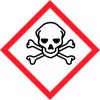
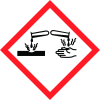
Hazard pictograms
GHS05 GHS06 GHS07 GHS08
Signal word
Danger (Contd. of page 1)
Hazard statements
Toxic if swallowed. Fatal if inhaled. Causes skin irritation. Causes serious eye damage. May cause an allergic skin reaction. Causes damage to the respiratory tract through prolonged or repeated exposure. Route of exposure: Inhalation.
Precautionary statements
Do not breathe dusts or mists. Wear protective gloves/protective clothing/eye protection/face protection. If on skin: Wash with plenty of water. IF INHALED: Call a POISON CENTER if you feel unwell. If in eyes: Rinse cautiously with water for several minutes. Remove contact lenses, if present and easy to do. Continue rinsing. Collect spillage.
Classification system
· NFPA ratings (scale 0 - 4) Health = 4 0 Fire = 0 4 0 Reactivity = 0 · HMIS-ratings (scale 0 - 4) HEALTH *3 Health = *3 FIRE 0 Fire = 0 REACTIVITY 0 Reactivity = 0
PBT Substances
Not applicable
vPvB Substances
Not applicable
2.1 Classification of the substance or mixture
Acute toxicity - oral 3 H301 Toxic if swallowed. Acute toxicity - inhalation 2 H330 Fatal if inhaled. Skin irritation 2 H315 Causes skin irritation. Eye damage 1 H318 Causes serious eye damage. Sensitization - skin 1 H317 May cause an allergic skin reaction. Specific target organ toxicity (repeated exposure) 1 H372 Causes damage to the respiratory tract through prolonged or repeated exposure. Route of exposure: Inhalation.



