



Note: Ingredients listed on restricted chemical lists
EC/CAS
100-42-5
Name of the chemical
Styrene ( Vinyl benzene )
Concentration
36.9
EC/CAS
80-62-6
Name of the chemical
methacrylic acid, methyl ester
Concentration
2.0
EC/CAS
136-52-7
Name of the chemical
Cobalt bis(2-ethylhexanoate)
Concentration
≤0.3
General Information
Version
2.0
Revision date
2017-01-02
Product name
LPT-68000
Chemical name
Aromatic
1.2.1 Relevant identified uses
Used in the manufacture of thermoset plastic parts
1.2.2. Uses advised against
No additional information
supplier name
AOC, LLC
Emergency telephone
+1 (800) 424-9300, +1 (703) 527-3887, +1 (613) 996-6666
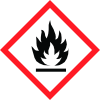
Icons in SDS


Company Information
company name
AOC, LLC
e-mail address of the competent person responsible for the Safety Data Sheet
aoc.sds@aoc-resins.com
GHS Information
Signal word
Danger
Hazard Codes
Hazard statements (CLP)
H226, H304, H315, H319, H332, H335, H351, H361d, H372
Hazard statements
Code
Statements
H226
Flammable liquid and vapour
Section 2
SECTION 2: Hazards identification
2.1 Classification of the substance or mixture
FLAMMABLE LIQUIDS – Category 3 – H226 SKIN CORROSION/IRRITATION – Category 2 – H315 SERIOUS EYE DAMAGE/ EYE IRRITATION – Category 2 – H319 ACUTE TOXICITY (INHALATION) – Category 4 – H332 SPECIFIC TARGET ORGAN TOXICITY (SINGLE EXPOSURE) – Category 3 – H335 REPRODUCTIVE TOXICITY – Category 2 – H361d CARCINOGENICITY – Category 2 – H351 SPECIFIC TARGET ORGAN TOXICITY (REPEATED EXPOSURE) – Category 1 – H372
Aspiration hazard
Category 1 – H304
Signal word
Danger
Hazard statements
H226: Flammable liquid and vapor. H332: Harmful if inhaled. H361d: Suspected of damaging the unborn child. H351: Suspected of causing cancer. H319: Causes serious eye irritation. H315: Causes skin irritation. H335: May cause respiratory irritation. H372: Causes damage to organs through prolonged or repeated exposure if inhaled. H304: May be fatal if swallowed and enters airways.
Precautionary statements
General P101: If medical advice is needed, have product container or label at hand. P102: Keep out of reach of children.
Prevention
P210: Keep away from heat, sparks, open flames and hot surfaces. - No smoking. P233: Keep container tightly closed. P240: Ground/bond container and receiving equipment. P241: Use explosion-proof electrical/ventilating/lighting/material-handling equipment. P242: Use only non-sparking tools. P243: Take precautionary measures against static discharge. P201: Obtain special instructions before use. P202: Do not handle until all safety precautions have been read and understood. P264: Wash hands thoroughly after handling. P270: Do not eat, drink or smoke when using this product. P271: Use only outdoors or in a well-ventilated area. P280: Wear protective gloves/protective clothing/eye protection/face protection. P260: Do not breathe vapor or mist.
Response
P370+P378 In case of fire Use dry chemical, CO₂, water spray (fog) or foam. P301+P310 IF SWALLOWED Immediately call a POISON CENTER or doctor/physician P331: Do NOT induce vomiting. P308+P313 IF exposed or concerned Get medical advice/attention P304+P340 IF INHALED Remove victim to fresh air and keep at rest in a position comfortable for breathing P312: Call a POISON CENTER or physician if you feel unwell. P303+P361+P353 IF ON SKIN (or hair) Take off immediately all contaminated clothing. Rinse skin with water or shower P332+P313: If skin irritation occurs, get medical advice/attention. P305+P351+P338 IF IN EYES Rinse cautiously with water for several minutes. Remove contact lenses, if present and easy to do. Continue rinsing. P337+P313: If eye irritation persists, get medical advice/attention. P308+P311 IF exposed or concerned Call a POISON CENTER or doctor/physician P391: Collect spillage.
Storage
P403 + P235: Store in a well-ventilated place. Keep cool. P233: Keep container tightly closed. P405: Store locked up.
Disposal
P501: Dispose of contents and container in accordance with all local, regional, national and international regulations.
2.3 Other hazards
None known.



