

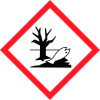

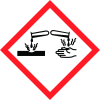
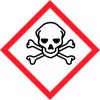
Note: Ingredients listed on restricted chemical lists
EC/CAS
1333-82-0
Name of the chemical
Chromium trioxide
Concentration
20-30 1-10
General Information
Revision date
2018-06-01
Product name
ANKOR CORRECTION SOLUTION SE 2
1.2.2. Uses advised against
Consumer, private households, general public
Emergency telephone
(203) 575-5700, 800-424-9300, +1 703-527-3887, 52 55 5078 3904, 55 11 4789-8585, +55 043 3223 3550
Icons in SDS


Company Information
company name
ANKOR CORRECTION SOLUTION SE
GHS Information
Signal word
Danger
Hazard Codes
Hazard statements (CLP)
H302, H314, H317, H331, H334, H340, H350, H361f, H370, H411
Hazard statements
Code
Statements
H302
Harmful if swallowed
Section 2
SECTION 2: Hazards identification
Signal word
Danger
Hazard statements
Toxic if inhaled. Harmful if swallowed. Causes severe skin burns and eye damage. May cause allergy or asthma symptoms or breathing difficulties if inhaled. May cause an allergic skin reaction. May cause genetic defects. May cause cancer. Suspected of damaging fertility. Causes damage to organs. (respiratory tract) Toxic to aquatic life with long lasting effects. THIS PRODUCT CONTAINS A FLUORIDE COMPOUND. SYMPTOMS MAY BE DELAYED. AVOID EXPOSURE. SEEK MEDICAL ATTENTION IMMEDIATELY IF EXPOSURE IS SUSPECTED.
Prevention
Obtain special instructions before use. Do not handle until all safety precautions have been read and understood. Wear protective gloves. Wear eye or face protection. Wear protective clothing. Wear respiratory protection. Use only outdoors or in a well- ventilated area. Avoid release to the environment. Do not breathe vapor. Do not eat, drink or smoke when using this product. Wash hands thoroughly after handling. Contaminated work clothing must not be allowed out of the workplace.
Response
Collect spillage. IF exposed Call a POISON CENTER or physician. IF INHALED If breathing is difficult, remove person to fresh air and keep comfortable for breathing. Immediately call a POISON CENTER or physician. IF SWALLOWED: Immediately call a POISON CENTER or physician. Rinse mouth. Do NOT induce vomiting. IF ON SKIN (or hair): Take off immediately all contaminated clothing. Rinse skin with water or shower. Wash contaminated clothing before reuse. Immediately call a POISON CENTER or physician. IF IN EYES: Rinse cautiously with water for several minutes. Remove contact lenses, if present and easy to do. Continue rinsing. Immediately call a POISON CENTER or physician. Fluoride Compounds SYMPTOMS MAY BE DELAYED Clinical signs and symptoms may not appear for up to 24 hours. Concentrations as low as 2% may cause symptoms with prolonged skin contact. When exposure is suspected, immediate medical attention is critical to minimize damage May be fatal if absorbed through the skin, inhaled or ingested. Immediately contact emergency response personnel. Get medical attention immediately. In addition to the basic first aid procedures outlined below, it is highly recommended that emergency procedures be established by your company’s physician, to be used in case of fluorine poisoning. This procedures may include the administration by qualified personnel of antidotes such as Aqueous Hyamine, Zephiran Chloride, or Calcium Gluconate Solutions for treating affected skin, as well as use of Pontocaine Hydrochloride Solution for eye application.
Storage
Store locked up.
Disposal
Dispose of contents and container in accordance with all local, regional, national and international regulations.
Supplemental label elements
Do not taste or swallow. Wash thoroughly after handling.
2.3 Other hazards
Causes digestive tract burns.
2.1 Classification of the substance or mixture
ACUTE TOXICITY (inhalation) - Category 3 SKIN CORROSION - Category 1 SERIOUS EYE DAMAGE - Category 1 RESPIRATORY SENSITIZATION - Category 1 SKIN SENSITIZATION - Category 1 GERM CELL MUTAGENICITY - Category 1 CARCINOGENICITY - Category 1A TOXIC TO REPRODUCTION (Fertility) - Category 2 SPECIFIC TARGET ORGAN TOXICITY (respiratory tract) - Category 1 AQUATIC HAZARD (ACUTE) - Category 2 AQUATIC HAZARD (LONG-TERM) - Category 2 Section 2. Hazards identification



