



Note: Ingredients listed on restricted chemical lists
EC/CAS
82657-04-3
Name of the chemical
Bifenthrin (ISO); (2-Methylbiphenyl-3-yl)methyl rel-(1R,3R)-3-[(1Z)-2-chlor-3,3,3-trifluorprop-1-en-1-yl]-2,2-dimethylcyclopropan-carboxylat (944/2013)
Concentration
N/A
EC/CAS
872-50-4
Name of the chemical
N-Methyl-2-Pyrrolidone; 1-methyl-2-pyrrolidone (NMP)
Concentration
N/A
General Information
Product name
Compel
Product Synonyms
APVMA Code
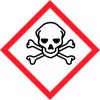
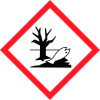
Icons in SDS
Company Information
company name
Amgrow Pty Ltd
GHS Information
Signal word
Danger
Hazard Codes
Hazard statements (CLP)
H300, H317, H331, H351, H372, H410
Hazard statements
Code
Statements
H300
Fatal if swallowed
Section 2
Hazard statements
This product is classified as: Xn, Harmful. N, Dangerous to the environment. HAZARDOUS ACCORDING TO THE CRITERIA OF SWA. NOT SUBJECT TO THE ADG CODE WHEN TRANSPORTED IN AUSTRALIA BY ROAD OR RAIL in packages 500kg (L) or less; or IBCs (refer to SP AU01). However if transported by Air or Sea, this provision does not apply. Then the product is classed as Dangerous (Class 9 Environmentally Hazardous) by IATA and IMDG/IMSBC respectively. See details below and in Section 14 of this SDS. R22, R50/53. Harmful if swallowed. Very toxic to aquatic organisms may cause long-term adverse effects to the aquatic environment. H300: Fatal if swallowed H317: May cause an allergic skin reaction H331: Toxic if inhaled H351: Suspected of causing cancer H372: Damage to the nervous system through prolonged or repeated exposure H410: Very toxic to aquatic life with long lasting effects.
Precautionary statements
S20, S61, S24/25, S36/37/39. When using, do not eat or drink. Avoid release to the environment. Refer to special instructions/Safety Data Sheets. Avoid contact with skin and eyes. Wear suitable protective clothing, gloves and eye/face protection.
SUSMP Classification
S6
ADG classification
Class 9 Miscellaneous Dangerous Goods
UN Number
3082, ENVIRONMENTALLY HAZARDOUS SUBSTANCE, LIQUID, N.O.S. (Contains Bifenthrin).
Signal word
DANGER Carcinogenicity – Category 2 Acute toxicity – Category 3 Specific target organ toxicity (repeated exposure) – Category 1 Skin sensitisation – Category 1B Hazardous to the aquatic environment (acute/chronic) – Category 1
Prevention
P102: Keep out of reach of children. P262: Do not get in eyes, on skin, or on clothing. P264: Wash contacted areas thoroughly after handling. P270: Do not eat, drink or smoke when using this product. P273: Avoid release to the environment. P280: Wear protective gloves, protective clothing and eye or face protection.
Response
P352: Wash with plenty of soap and water. P301+P312 IF SWALLOWED Call a POISON CENTRE or doctor if you feel unwell P301+P330+P331 IF SWALLOWED Rinse mouth. Do NOT induce vomiting P391: Collect spillage. P370+P378: Not combustible. Use extinguishing media suited to burning materials. Alcohol resistant foam is the preferred fire fighting medium but, if it is not available, normal foam can be used.
Storage
P410: Protect from sunlight. P402+P404: Store in a dry place. Store in a closed container. P403+P235: Store in a well-ventilated place. Keep cool.
Disposal
P501: Dispose of contents and containers as specified on the registered label. Emergency Overview Physical Description & Colour: Light beige to brown liquid. Odour: Mild odour.
Health hazards
Bifenthrin is harmful to mammals when ingested. Large doses may cause incoordination, tremor, salivation, vomiting, diarrhoea, and irritability to sound and touch. LD50, for Bifenthrin is about 54 mg/kg in female rats and 70 mg/kg in male rats. The LD50 for rabbits whose skin is exposed to Bifenthrin is greater than 2,000 mg/kg. Bifenthrin does not sensitize the skin of guinea pigs. Although it does not cause inflammation or irritation on human skin, it can cause a tingling sensation which lasts about 12 hours. It is virtually non-irritating to rabbit eyes. Product is harmful if swallowed. Repeated exposure may cause allergic disorders.



