

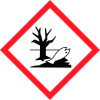
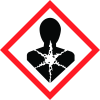

Note: Ingredients listed on restricted chemical lists
EC/CAS
1314-62-1
Name of the chemical
Vanadium pentoxide (orthorhombic crystalline form)
Concentration
>98
General Information
Version
8.1
Revision date
2019-03-13
Product name
VANADIUM PENTOXIDE
Product name
VANADIUM PENTOXIDE
Identification on the label/Trade name
Vanadium pentoxide, non-fused form
Product Synonyms
pentaoxodivanadium; vanadium oxide (V2O5) hydrate (CAS RN
Chemical name
vanadium pentoxide O5-V2; V2O5; C.I. 77938; vanadic anhydride; vanadium oxide; vanadium pentaoxide; divanadium pentoxide; O5-V2; V2O5; C.I. 77938; vanadic anhydride; vanadium oxide; vanadium pentaoxide; divanadium pentoxide;
CAS No.
1314-62-1
1.2.1 Relevant identified uses
the most important compound of vanadium, being principal precursor to alloys of vanadium and is a widely used industrial catalyst. The mineral form of this compound, shcherbinaite, is extremely rare, almost always found among fumaroles. A mineral trihydrate, V2O5·3H2O, is also known under the name of navajoite
Emergency telephone
+1 855-237-5573, +61 3 9573 3188
Icons in SDS


Company Information
company name
Alpha Resources LLC
GHS Information
Signal word
Danger
Hazard Codes
Hazard statements (CLP)
H302, H320, H332, H335, H341, H361, H372, H411
Hazard statements
Code
Statements
H302
Harmful if swallowed
Section 2
SECTION 2: Hazards identification
Classification of the substance or mixture Page 1 continued
Signal word
Danger
Hazard statements
H302 Harmful if swallowed. H332 Harmful if inhaled. H320 Causes eye irritation. H341 Suspected of causing genetic defects. H361 Suspected of damaging fertility or the unborn child. H335 May cause respiratory irritation. H372 Causes damage to organs through prolonged or repeated exposure. H411 Toxic to aquatic life with long lasting effects. Hazard(s) not otherwise classified Not Applicable
Prevention
P201 Obtain special instructions before use. P260 Do not breathe dust/fume. P271 Use only outdoors or in a well-ventilated area. P280 Wear protective gloves and protective clothing. P261 Avoid breathing dust/fumes. P270 Do not eat, drink or smoke when using this product. P273 Avoid release to the environment. P202 Do not handle until all safety precautions have been read and understood. P264 Wash all exposed external body areas thoroughly after handling.
Response
P308+P313 IF exposed or concerned: Get medical advice/ attention. P305+P351+P338 IF IN EYES: Rinse cautiously with water for several minutes. Remove contact lenses, if present and easy to do. Continue rinsing. P312 Call a POISON CENTER/doctor/physician/first aider/if you feel unwell. P314 Get medical advice/attention if you feel unwell. P337+P313 If eye irritation persists: Get medical advice/attention. P391 Collect spillage. P301+P312 IF SWALLOWED: Call a POISON CENTER/doctor/physician/first aider/if you feel unwell. P304+P340 IF INHALED: Remove person to fresh air and keep comfortable for breathing. P330 Rinse mouth. Continued...
Storage
P405 Store locked up. P403+P233 Store in a well-ventilated place. Keep container tightly closed.
Disposal
P501 Dispose of contents/container to authorised hazardous or special waste collection point in accordance with any local regulation. Not Applicable
2.1 Classification of the substance or mixture
Page 1 continued... NFPA 704 diamond Note: The hazard category numbers found in GHS classification in section 2 of this SDSs are NOT to be used to fill in the NFPA 704 diamond. Blue = Health Red = Fire Yellow = Reactivity White = Special (Oxidizer or water reactive substances) Acute Toxicity (Oral) Category 4, Acute Toxicity (Inhalation) Category 4, Serious Eye Damage/Eye Irritation Category 2B, Germ Cell Mutagenicity Category 2, Reproductive Toxicity Category 2, Specific Target Organ Toxicity - Single Exposure (Respiratory Classification Tract Irritation) Category 3, Specific Target Organ Toxicity - Repeated Exposure Category 1, Hazardous to the Aquatic Environment Long-Term Hazard Category 2 Label elements Hazard pictogram(s) Signal word Danger Hazard statement(s) H302 Harmful if swallowed. H332 Harmful if inhaled. H320 Causes eye irritation. H341 Suspected of causing genetic defects. H361 Suspected of damaging fertility or the unborn child. H335 May cause respiratory irritation. H372 Causes damage to organs through prolonged or repeated exposure. H411 Toxic to aquatic life with long lasting effects. Hazard(s) not otherwise classified Not Applicable Precautionary statement(s) Prevention P201 Obtain special instructions before use. P260 Do not breathe dust/fume. P271 Use only outdoors or in a well-ventilated area. P280 Wear protective gloves and protective clothing. P261 Avoid breathing dust/fumes. P270 Do not eat, drink or smoke when using this product. P273 Avoid release to the environment. P202 Do not handle until all safety precautions have been read and understood. P264 Wash all exposed external body areas thoroughly after handling. Precautionary statement(s) Response P308+P313 IF exposed or concerned: Get medical advice/ attention. P305+P351+P338 IF IN EYES: Rinse cautiously with water for several minutes. Remove contact lenses, if present and easy to do. Continue rinsing. P312 Call a POISON CENTER/doctor/physician/first aider/if you feel unwell. P314 Get medical advice/attention if you feel unwell. P337+P313 If eye irritation persists: Get medical advice/attention. P391 Collect spillage. P301+P312 IF SWALLOWED: Call a POISON CENTER/doctor/physician/first aider/if you feel unwell. P304+P340 IF INHALED: Remove person to fresh air and keep comfortable for breathing. P330 Rinse mouth. Continued... Precautionary statement(s) Storage P405 Store locked up. P403+P233 Store in a well-ventilated place. Keep container tightly closed. Precautionary statement(s) Disposal P501 Dispose of contents/container to authorised hazardous or special waste collection point in accordance with any local regulation. Not Applicable SECTION 3 Composition / information on ingredients Substances CAS No %[weight] Name 1314-62-1 >98 vanadium pentoxide Mixtures See section above for composition of Substances SECTION 4 First-aid measures Description of first aid measures If this product comes in contact with the eyes: Immediately hold eyelids apart and flush the eye continuously with running water. Ensure complete irrigation of the eye by keeping eyelids apart and away from eye and moving the eyelids by occasionally Eye Contact lifting the upper and lower lids. Continue flushing until advised to stop by the Poisons Information Centre or a doctor, or for at least 15 minutes. Transport to hospital or doctor without delay. Removal of contact lenses after an eye injury should only be undertaken by skilled personnel.



