



Note: Ingredients listed on restricted chemical lists
General Information
Revision date
2020-10-12
Product name
PENTANE
Product Synonyms
n-Pentane / Amyl Hydride
CAS No.
109-66-0
Emergency telephone
For laboratory and industrial use only
Icons in SDS
Company Information
company name
Aldon
GHS Information
Signal word
Danger
Hazard Codes
Hazard statements (CLP)
H225, H304, H336, H411
Hazard statements
Code
Statements
H225
Highly Flammable liquid and vapour
Section 2
Signal word
DANGER
Hazard pictograms
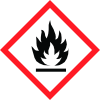
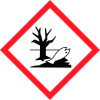
GHS02 / GHS07 / GHS08 / GHS09 P210: Keep away from heat/sparks/open fl ames/hot surfaces. No smoking. Target organs: Lungs, Central nervous system, Liver, Kidneys. P233: Keep container tightly closed. P241: Use explosion-proof electrical/ventilating/lighting equipment. P242: Use only non-sparking tools. P243: Take precautionary measures against static discharge. P261: Avoid breathing mist/vapours/spray. P271: Use only outdoors or in a well-ventilated area.
2.1 Classification of the substance or mixture
P273: Avoid release to the environment. Flammable liquid (Category 2) P280: Wear protective gloves/protective clothing/eye protection/face protection.
Aspiration hazard
Category 1) P301+P310 IF SWALLOWED Immediately call a POISON CENTER or doctor STOT-SE (Category 3) P331: Do NOT induce vomiting. Aquatic toxicity, chronic (Category 2) P303+P361+P353 IF ON SKIN (or hair) Take off immediately all contaminated clothing. Rinse skin with water/shower. GHS Label information: Hazard statement: P304+P340 IF INHALED Remove person to fresh air and keep comfortable for H225: Highly fl ammable liquid and vapour. breathing. H304: May be fatal if swallowed and enters airways. P312: Call a POISON CENTER or doctor if you feel unwell. H336: May cause drowsiness or dizziness. H411: Toxic to aquatic life with long lasting eff ects. P370+P378 In case of fi re Use dry chemical, CO2, water spray or regular foam to extinguish. P391: Collect spillage. P403+P235: Store in a well-ventilated place. Keep cool. P501: Dispose of contents/container to a licensed chemical disposal agency in accordance with local/regional/national regulations.
2.3 Other hazards
Health hazards not otherwise classifi ed (HHNOC) - Repeated exposure may cause skin dryness or cracking. Physical hazards not otherwise classifi ed (PHNOC) - Not Known



