


Note: Ingredients listed on restricted chemical lists
EC/CAS
71-43-2
Name of the chemical
Benzol
Concentration
0.020
EC/CAS
75-25-2
Name of the chemical
Tribrommethan
Concentration
0.020
EC/CAS
74-83-9
Name of the chemical
Brommethan
Concentration
0.020
EC/CAS
56-23-5
Name of the chemical
Carbon tetrachloride
Concentration
0.020
EC/CAS
75-00-3
Name of the chemical
Chlorethan
Concentration
0.020
EC/CAS
67-66-3
Name of the chemical
Chloroform
Concentration
0.020
EC/CAS
74-87-3
Name of the chemical
Chlormethan
Concentration
0.020
EC/CAS
95-50-1
Name of the chemical
1,2-dichlorobenzene
Concentration
0.020
EC/CAS
106-46-7
Name of the chemical
1,4-Dichlorbenzol
Concentration
0.020
EC/CAS
107-06-2
Name of the chemical
1,2-Dichloroethane; ethylene dichloride
Concentration
0.020
EC/CAS
75-35-4
Name of the chemical
1,1-Dichlorethen
Concentration
0.020
EC/CAS
78-87-5
Name of the chemical
1,2-Dichlorpropan (2016/1179)
Concentration
0.020
EC/CAS
75-09-2
Name of the chemical
Methylene chloride
Concentration
0.020
EC/CAS
79-34-5
Name of the chemical
1,1,2,2-Tetrachloroethane
Concentration
0.020
EC/CAS
127-18-4
Name of the chemical
Tetrachloroethylene
Concentration
0.020
EC/CAS
108-88-3
Name of the chemical
Toluene
Concentration
0.020
EC/CAS
71-55-6
Name of the chemical
1,1,1-Trichloroethane (Ethane, 1,1,1-trichloro- )
Concentration
0.020
EC/CAS
79-00-5
Name of the chemical
1,1,2-Trichloroethane
Concentration
0.020
EC/CAS
79-01-6
Name of the chemical
Trichloroethylene
Concentration
0.020
EC/CAS
75-01-4
Name of the chemical
Chloroethylene
Concentration
0.020
EC/CAS
98-82-8
Name of the chemical
Cumol (2022/692)
Concentration
0.020
EC/CAS
67-56-1
Name of the chemical
Methanol
Concentration
99.240
General Information
Revision date
2015-02-20
Product name
S-2781-R1
supplier name
AccuStandard, Inc
Emergency telephone
1-203-786-5290
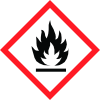
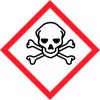
Icons in SDS


Company Information
company name
AccuStandard, Inc
e-mail address of the competent person responsible for the Safety Data Sheet
edocs@accustandard.com
GHS Information
Signal word
Danger
Hazard Codes
Hazard statements (CLP)
H225, H301, H311, H315, H320, H332
Hazard statements
Code
Statements
H225
Highly Flammable liquid and vapour
Section 2
SECTION 2: Hazards identification
2.2 Label elements
3 * 2 HEALTH 2 0 3 FLAMMABILITY 0 - continued P284 - Respiratory Protection: If workplace exposure limit(s) of product or any component is exceeded (see TLV/PEL), a NIOSH/MSHA approved air supplied respirator is advised in absence of proper environmental control.
Signal word
Danger
Hazard statements
H225 - Highly Flammable (Flammable liquids, category 2) H301 - Toxic if swallowed. (Acute toxicity, oral, category 3) H311 - Toxic if absorbed through skin. (Acute toxicity, dermal, category 3) H315 - Irritating to skin. (Skin corrosion/irritation, category 2) H320 - Irritating to eyes. (Eye damage/irritation, category 2B) H332 - Harmful if inhaled. (Acute toxicity, inhalation, category 4) Precautionary Codes: P202 - This product should only by used by persons trained in the safe handling of hazardous chemicals. P262 - Do not get in eyes, on skin or clothing. P264 - Wash thoroughly after handling. Do not take internally. Eye wash and safety equipment should be readily available. P280 - Protective gloves must be worn to prevent skin contact. SDS DATE 2/20/2015 Catalog Number: S-2781-R1 - continued
2.3 Other hazards
2.2.1 - Symptom of Exposure Health/Environment After ingestion or inhalation, initial symptoms may be only that of mild intoxication, but may become severe after 12 or 18 hours. May cause eye, kidney, liver, and skin damage. May cause central nervous system damage. POISON: May be fatal or cause blindness if swallowed. Fetal development abnormalities and effects on embryo or fetus have been reported from prolonged exposure to methanol in laboratory tests involving pregnant rats. Overexposure may cause dizziness, nausea, muscle weakness, narcosis and respiratory failure. Highly Flammable (Flammable liquids, category 2)
Potential health effects
Irritating to eyes. (Eye damage/irritation, category 2B) Irritating to skin. (Skin corrosion/irritation, category 2) Toxic if absorbed through skin. (Acute toxicity, dermal, category 3) Irritating to mucous membrane and upper respiratory system. (Specific target organ toxicity, single exposure; Respiratory tract irritation, category 3) Harmful if inhaled. (Acute toxicity, inhalation, category 4) Toxic if swallowed. (Acute toxicity, oral, category 3) 2.2.3 - Routes of Entry Inhalation, ingestion or skin contact. 2.2.4 - Carcinogenicity Contains one or more components that are classified (ACGIH, IARC, NTP, OSHA) as a cancer hazard in quantities less than 0.1%.



