



General Information
Revision date
2024-03-21
Product name
C-059N
CAS No.
74472-33-6
supplier name
AccuStandard, Inc
Emergency telephone
1-203-502-7070, +001-203-502-7070
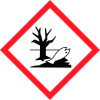
Icons in SDS


Company Information
company name
AccuStandard, Inc
e-mail address of the competent person responsible for the Safety Data Sheet
edocs@accustandard.com
GHS Information
Signal word
Danger
Hazard Codes
Hazard statements (CLP)
H302, H312, H315, H332, H350, H351, H360, H371, H413
Hazard statements
Code
Statements
H302
Harmful if swallowed
Section 2
SECTION 2: Hazards identification
2.2 Label elements
0 2 HEALTH 2 0 FLAMMABILITY - continued H360 H350
Signal word
Danger 0
Hazard statements
H302 - Harmful if swallowed. (Acute toxicity, oral, category 4) H312 - Harmful if absorbed through skin. (Acute toxicity, dermal, category 4) H315 - Irritating to skin. (Skin corrosion/irritation, category 2) H332 - Harmful if inhaled. (Acute toxicity, inhalation, category 4) H350 - This product is or contains a component that is classified (ACGIH, IARC, NTP, OSHA) as a possible cancer hazard. (Carcinogenicity, category 1B) H351 - The consistent finding in animal studies with PCB’s is that they produce liver injury and are suspected of causing cancer following prolonged and repeated exposure by any route, if the exposure is of sufficient degree and duration. Liver injury is produced first, and by exposures that are less than those reported to cause cancer in rodents. Therefore, exposure by all routes should be kept sufficiently low to prevent liver injury. (Carcinogenicity, category 1B) - continued
2.3 Other hazards
2.2.1 - Symptom of Exposure Health/Environment May cause liver damage. (Specific target organ toxicity, single exposure, category 2) Overexposure may cause reproductive disorders based on tests with laboratory animals. The consistent finding in animal studies with PCB’s is that they produce liver injury and are suspected of causing cancer following prolonged and repeated exposure by any route, if the exposure is of sufficient degree and duration. Liver injury is produced first, and by exposures that are less than those reported to cause cancer in rodents. Therefore, exposure by all routes should be kept sufficiently low to prevent liver injury. (Carcinogenicity, category 1B) May cause long-term adverse effects in the aquatic environment. (H413) Prolonged or repeated contact can result in defatting and drying of the skin which may result in skin irritation or dematitis (rash).
Potential health effects
May be irritating to eyes. Irritating to skin. (Skin corrosion/irritation, category 2) Harmful if absorbed through skin. (Acute toxicity, dermal, category 4) Irritating to mucous membrane and upper respiratory system. Harmful if inhaled. (Acute toxicity, inhalation, category 4) Harmful if swallowed. (Acute toxicity, oral, category 4) - continued
Other hazards
continued 2.2.3 - Routes of Entry Inhalation, ingestion or skin contact. 2.2.4 - Carcinogenicity



