


Note: Ingredients listed on restricted chemical lists
EC/CAS
811-97-2
Name of the chemical
1,1,1,2-Tetrafluoroethane
Concentration
N/A
General Information
Revision date
2020-12-21
Product name
BD006
CAS No.
811-97-2
Emergency telephone
800-255-3924
Icons in SDS
Company Information
company name
AC Avalanche LLC
GHS Information
Signal word
Warning
Hazard Codes
Hazard statements (CLP)
H280, H315, H317, H320, H402, H412
Hazard statements
Code
Statements
H280
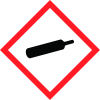
Contains gas under pressure; may explode if heated
Section 2
2.1 Classification of the substance or mixture
Health: Eye Irritation, Category 2B Skin Irritation, Category 2 Skin Sensitization, Category 1 Environmental: Acute Hazards to the Aquatic Environment, Category 3 Chronic Hazards to the Aquatic Environment, Category 3 Physical: Compressed Gases
2.2 Label elements
Exclamation Gas cylinder mark
Hazard statements
H315: Causes skin irritation. H320: Causes eye irritation. H317: May cause an allergic skin reaction. H412: Harmful to aquatic life with long lasting effects. H402: Harmful to aquatic life. H280: Contains gas under pressure; may explode if heated.
Prevention
P264: Wash skin thoroughly after handling. P280: Wear protective gloves/protective clothing/eye protection/face protection. P261: Avoid breathing dust/fume/gas/mist/vapours/spray. P272: Contaminated work clothing should not be allowed out of the workplace.
Response
P302+P352 IF ON SKIN Wash with plenty of water P333+P313 If skin irritation or rash occurs Get medical advice/attention P362+P364: Take off contaminated clothing and wash it before reuse. P305+P351+P338 IF IN EYES Rinse cautiously with water for several minutes. Remove contact lenses, if present and easy to do. Continue rinsing. P337+P313 If eye irritation persists Get medical advice/attention P321: Specific treatment (see first aid measures on this label). P363: Wash contaminated clothing before reuse. P410+P403: Protect from sunlight. Store in a well-ventilated place.
Disposal
P501: Dispose of contents/container to a licensed contractor in accordance with local, state and federal regulations.
2.3 Other hazards
Liquid can cause burns similar to frostbite. May displace oxygen and cause rapid suffocation. May form explosive mixtures with air.



