


Note: Ingredients listed on restricted chemical lists
EC/CAS
64742-49-0
Name of the chemical
Naphtha (petroleum), hydrotreated light
Concentration
N/A
EC/CAS
124-38-9
Name of the chemical
Carbon dioxide CO2
Concentration
N/A
EC/CAS
204-696-9
Name of the chemical
Carbon dioxide CO2
Concentration
N/A
General Information
Revision date
2018-07-26
Product name
NOVATO
1.2.2. Uses advised against
Not specified. It is recommended to be used only for specified uses. Other uses may expose users to unforeseeable risks
supplier name
NOVATO
Icons in SDS
Company Information
company name
ABITEC
e-mail address of the competent person responsible for the Safety Data Sheet
petr.johanides@novato.cz, info@abitec.cz
GHS Information
Signal word
Danger
Hazard Codes
Hazard statements (CLP)
H222, H229, H315, H319, H336, H411
Hazard statements
Code
Statements
H222
Extremely flammable aerosol
Section 2
2.1 Classification of the substance or mixture
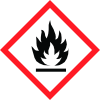
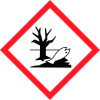
Classification of the mixture in accordance with Regulation (EC) No 1272/2008 The mixture is classified as dangerous. Aerosol 1, H222, H229 Skin Irrit. 2, H315 Eye Irrit. 2, H319 STOT SE 3, H336 Aquatic Chronic 2, H411 Full text of all classifications and hazard statements is given in the section 16. Most serious adverse physico-chemical effects The mixture is extremely flammable. Container under pressure: Do not expose to sunlight and temperatures above 50 ° C. Do not pierce or empty the empty container. Do not spray into naked flames or hot items. Keep away from sources of ignition - No smoking. Keep out of the reach of children. Incomplete combustion may generate hazardous gases. Most serious adverse effects on human health and the environment Inhalation of aerosol can cause headache, tiredness, drowsiness, drowsiness and narcotic conditions, exceptionally irritation of mucous membranes and airways. Do not breathe aerosol. Irritating to skin (redness, itching, burning or dermatitis). Irritating to eyes (tearing, burning, itching or conjunctivitis). Frequent or prolonged contact with the skin causes drying or cracking of the skin or dermatitis. Ingestion of the liquid fraction can cause abdominal pain and nausea. Follow the instructions in the user manual. The mixture is classified as dangerous for the environment. Follow the instructions for use to avoid risks to humans and the environment. The liquid is lighter than water and can cover the water surface. Do not allow to enter soil, ground or surface water or drains. The full text of the classification and H statements is given in section 16 of 4
Signal word
Danger
Hazard statements
H222 Extremely flammable aerosol. H229 Pressurised container: May burst if heated. H315 Causes skin irritation. H319 Causes serious eye irritation. H336 May cause drowsiness or dizziness. H411 Toxic to aquatic life with long lasting effects.
Precautionary statements
P210 Keep away from heat, hot surfaces, sparks, open flames and other ignition sources. No smoking. P211 Do not spray on an open flame or other ignition source. P251 Do not pierce or burn, even after use. P261 Avoid breathing mist/vapours/spray. P273 Avoid release to the environment. P305+P351+P338 IF IN EYES: Rinse cautiously with water for several minutes. Remove contact lenses, if present and easy to do. Continue rinsing. P410+P412 Protect from sunlight. Do no expose to temperatures exceeding 50 °C. P501 Dispose of contents/container to in accordance with local regulations.
2.3 Other hazards
The mixture or its components are not classified as PBT or vPvB nor are they listed on the candidate list for Annex XIV of the REACH Regulation as of the date of preparation of the SDS.



