



Note: Ingredients listed on restricted chemical lists
EC/CAS
100-42-5
Name of the chemical
Styrene ( Vinyl benzene )
Concentration
10 - 30
EC/CAS
14807-96-6
Name of the chemical
Talc
Concentration
10 - 30
EC/CAS
13463-67-7
Name of the chemical
Reaction mass of titanium dioxide and silver chloride
Concentration
0.5 - 1.5
EC/CAS
14808-60-7
Name of the chemical
Silica, crystalline
Concentration
<0.5
General Information
Version
9.00
Revision date
2026-03-20
Product name
3M Bondo Wood Filler, PN 20082, 30081, 30082
1.2.1 Relevant identified uses
Automotive, Body Repair
Supplier name
3M
Manufacturer Name
3M
Emergency telephone
1-800-364-3577, (651) 737-6501
Icons in SDS


Company Information
Company name
3M
GHS Information
Signal word
Danger
Hazard Codes
Hazard statements (CLP)
H226, H320, H335, H336, H350, H370, H372, H373
Hazard statements
Code
Statements
H226
Flammable liquid and vapour
Section 2
SECTION 2: Hazards identification
Signal word
Danger
Hazard pictograms
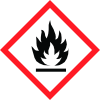
Flame |Exclamation mark |Health Hazard |
Hazard statements
Flammable liquid and vapor. Causes eye irritation. May cause cancer. May cause drowsiness or dizziness. May cause respiratory irritation. Causes damage to organs: liver | sensory organs. Causes damage to organs through prolonged or repeated exposure: respiratory system | sensory organs. May cause damage to organs through prolonged or repeated exposure: liver.
Precautionary statements
General: Keep out of reach of children.
Prevention
Obtain special instructions before use. Do not handle until all safety precautions have been read and understood. Keep away from heat, hot surfaces, sparks, open flames and other ignition sources. No smoking. Keep container tightly closed. Ground and bond container and receiving equipment. Use explosion-proof electrical, ventilating and lighting equipment. Use non-sparking tools. Take action to prevent static discharges. Do not breathe vapors or dust. Wash exposed skin thoroughly after handling. Do not eat, drink or smoke when using this product. Use only outdoors or in a well-ventilated area. Wear protective gloves, eye protection, face protection, and if needed, respiratory protection (see SDS Section 8).
Response
IF ON SKIN (or hair): Take off immediately all contaminated clothing. Rinse skin with water or shower. IF INHALED: Remove person to fresh air and keep comfortable for breathing. IF IN EYES: Rinse cautiously with water for several minutes. Remove contact lenses, if present and easy to do. Continue rinsing. IF exposed or concerned: Call a POISON CENTER or doctor. Get medical attention if you feel unwell. If eye irritation persists: Get medical advice. In case of fire: Use a fire fighting agent suitable for flammable liquids such as dry chemical or carbon dioxide to extinguish.
Storage
Store in a well-ventilated place. Keep cool. Store locked up.
Disposal
Dispose of contents and container in accordance with applicable local, regional, national, and international regulations. 35% of the mixture consists of ingredients of unknown acute oral toxicity. 35% of the mixture consists of ingredients of unknown acute dermal toxicity. 35% of the mixture consists of ingredients of unknown acute inhalation toxicity.
2.1 Classification of the substance or mixture
Flammable Liquid: Category 3. Serious Eye Damage/Irritation: Category 2B. Carcinogenicity: Category 1A. Specific Target Organ Toxicity (single exposure): Category 1. Specific Target Organ Toxicity (repeated exposure): Category 1. Specific Target Organ Toxicity (single exposure): Category 3. 2.2. Label elements Signal word Danger Symbols Flame |Exclamation mark |Health Hazard | Pictograms Hazard Statements Flammable liquid and vapor. Causes eye irritation. May cause cancer. May cause drowsiness or dizziness. May cause respiratory irritation. Causes damage to organs: liver | sensory organs. Causes damage to organs through prolonged or repeated exposure: respiratory system | sensory organs. May cause damage to organs through prolonged or repeated exposure: liver. Precautionary statements General: Keep out of reach of children. Prevention: Obtain special instructions before use. Do not handle until all safety precautions have been read and understood. Keep away from heat, hot surfaces, sparks, open flames and other ignition sources. No smoking. Keep container tightly closed. Ground and bond container and receiving equipment. Use explosion-proof electrical, ventilating and lighting equipment. Use non-sparking tools. Take action to prevent static discharges. Do not breathe vapors or dust. Wash exposed skin thoroughly after handling. Do not eat, drink or smoke when using this product. Use only outdoors or in a well-ventilated area. Wear protective gloves, eye protection, face protection, and if needed, respiratory protection (see SDS Section 8). Response: IF ON SKIN (or hair): Take off immediately all contaminated clothing. Rinse skin with water or shower. IF INHALED: Remove person to fresh air and keep comfortable for breathing. IF IN EYES: Rinse cautiously with water for several minutes. Remove contact lenses, if present and easy to do. Continue rinsing. IF exposed or concerned: Call a POISON CENTER or doctor. Get medical attention if you feel unwell. If eye irritation persists: Get medical advice. In case of fire: Use a fire fighting agent suitable for flammable liquids such as dry chemical or carbon dioxide to extinguish. Storage: Store in a well-ventilated place. Keep cool. Store locked up. Disposal: Dispose of contents and container in accordance with applicable local, regional, national, and international regulations. 35% of the mixture consists of ingredients of unknown acute oral toxicity.



