


Note: Ingredients listed on restricted chemical lists
EC/CAS
200-659-6/67-56-1
Name of the chemical
Methanol
Concentration
603-001-
General Information
Version
01
Revision date
2017-07-21
Product name
Methanol
Substance name
Methanol
Product Synonyms
None
CAS No.
67-56-1
Icons in SDS


Company Information
company name
2_HEADER_HAZARD_IDENTIFICATION
GHS Information
Signal word
Danger
Hazard Codes
Hazard statements (CLP)
H225, H301, H311, H331, H370
Hazard statements
Code
Statements
H225
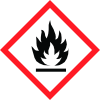
Highly Flammable liquid and vapour
Section 2
SECTION 2: Hazards identification
Regulation (EC) No. 1272/2008 Classification of the substance or mixture The substance has been assessed and/or tested for its physical, health and environmental hazards and the following classification applies
Contains
Methanol
Signal word
Danger
Hazard statements
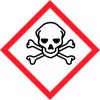
H225 Highly flammable liquid and vapour. H301 Toxic if swallowed. H311 Toxic in contact with skin. H331 Toxic if inhaled. H370 Causes damage to organs.
Prevention
P210 Keep away from heat, hot surfaces, sparks, open flames and other ignition sources. No smoking. P233 Keep container tightly closed. P240 Ground/bond container and receiving equipment. P241 Use explosion-proof electrical/ventilating/lighting equipment. P242 Use only non-sparking tools. P243 Take precautionary measures against static discharge. P260 Do not breathe mist or vapour. P264 Wash thoroughly after handling. P270 Do not eat, drink or smoke when using this product. P271 Use only outdoors or in a well-ventilated area. P280 Wear protective gloves/protective clothing. P280 Wear protective gloves/eye protection/face protection.
Response
P301 + P310 IF SWALLOWED: Immediately call a POISON CENTRE/doctor. P330 Rinse mouth. P303 + P361 + P353 IF ON SKIN (or hair): Take off immediately all contaminated clothing. Rinse skin with water/shower. P304 + P340 IF INHALED: Remove person to fresh air and keep comfortable for breathing. P311 Call a POISON CENTRE/doctor. P361 + P364 Take off immediately all contaminated clothing and wash it before reuse. P370 + P378 In case of fire: Use appropriate media to extinguish.
Storage
P235 Keep cool. P403 + P233 Store in a well-ventilated place. Keep container tightly closed. P405 Store locked up.
Disposal
P501 Dispose of contents/container in accordance with local/regional/national/international regulations.
Supplemental label elements
100 % of the mixture consists of component(s) of unknown acute hazards to the aquatic environment. 100 % of the mixture consists of component(s) of unknown long-term hazards to the aquatic environment. For further information, please contact the Product Stewardship Department at +1.800.862.4118.
2.3 Other hazards
Not a PBT or vPvB substance or mixture.
2.1 Classification of the substance or mixture
The substance has been assessed and/or tested for its physical, health and environmental hazards and the following classification applies. Classification according to Regulation (EC) No 1272/2008 as amended Physical hazards Flammable liquids Category 2 H225 - Highly flammable liquid and vapour. Health hazards Acute toxicity, oral Category 3 H301 - Toxic if swallowed. Acute toxicity, dermal Category 3 H311 - Toxic in contact with skin. Acute toxicity, inhalation Category 3 H331 - Toxic if inhaled. Specific target organ toxicity - single exposure Category 1 H370 - Causes damage to organs. Hazard summary May be ignited by heat, sparks or flames. Toxic if inhaled. Toxic in contact with skin. Toxic if swallowed. Causes damage to organs. Occupational exposure to the substance or mixture may cause adverse health effects. The material as sold in solid form is generally not considered hazardous. However, if the process involves grinding, melting, cutting or any other process that causes a release of dust or fumes, hazardous levels of airborne particulate could be generated.



