

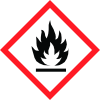


Note: Ingredients listed on restricted chemical lists
EC/CAS
108-88-3
Name of the chemical
Toluene
Concentration
N/A
EC/CAS
64742-89-8
Name of the chemical
Solvent naphtha (petroleum), light aliph
Concentration
N/A
General Information
Revision date
2025-01-26
Product name
THCA
Product name
THCA
Identification on the label/Trade name
ST70
1.2.1 Relevant identified uses
Thinner for solvent based contact adhesives
Icons in SDS


Company Information
company name
143 Allingham Street
GHS Information
Signal word
DANGER
Hazard Codes
Hazard statements (CLP)
H225, H304, H315, H320, H335, H336, H361, H373
Hazard statements
Code
Statements
H225
Highly Flammable liquid and vapour
Section 2
SECTION 2: Hazards identification
Hazard statements
This product is classified as: Xn, Harmful. Xi, Irritating. F+, Highly Flammable. Hazardous according to the criteria of SWA. Dangerous according to Australian Dangerous Goods (ADG) Code, IATA and IMDG/IMSBC criteria. R11, R63, R65, R66, R67, R36/38, R48/20. Highly flammable. Possible risk of harm to the unborn child. Harmful May cause lung damage if swallowed. Repeated exposure may cause skin dryness or cracking. Vapours may cause drowsiness and dizziness. Irritating to eyes and skin. Harmful: danger of serious damage to health by prolonged exposure through inhalation. H225: Highly flammable liquid and vapour. AUH066: Repeated exposure may cause skin dryness or cracking. H304: May be fatal if swallowed and enters airways. H315: Causes skin irritation. H320: Causes eye irritation. H335: May cause respiratory irritation. H336: May cause drowsiness or dizziness. H361: Suspected of damaging fertility or the unborn child. H373: May cause damage to organs through prolonged or repeated exposure.
Precautionary statements
S16, S23, S29, S33, S46, S51, S62, S24/25, S36/37. Keep away from sources of ignition - No smoking. Do not breathe vapours or mists. Do not empty into drains. Take precautionary measures against static discharges. If swallowed, contact a doctor or Poisons Information Centre immediately and show this SDS or label. Use only in well ventilated areas. If swallowed, do not induce vomiting: seek medical advice immediately and show this SDS. Avoid contact with skin and eyes. Wear suitable protective clothing and gloves.
SUSMP Classification
S5
ADG classification
Class 3 Flammable liquids
UN Number
1993, FLAMMABLE LIQUID, N.O.S. (Toluene, Liquid hydrocarbons)
Signal word
DANGER
Prevention
P102: Keep out of reach of children. P210: Keep away from heat, sparks, open flames and hot surfaces. - No smoking. P233: Keep container tightly closed. P242: Use only non-sparking tools. P261: Avoid breathing fumes, mists, vapours or spray. P262: Do not get in eyes, on skin, or on clothing. P264: Wash contacted areas thoroughly after handling. P271: Use only outdoors or in a well ventilated area. P281: Use personal protective equipment as required.
Response
P314: Get medical advice or attention if you feel unwell. P362: Take off contaminated clothing and wash before reuse. P301+P310 IF SWALLOWED Immediately call a POISON CENTRE or doctor P301+P330+P331 IF SWALLOWED Rinse mouth. Do NOT induce vomiting P302+P352 IF ON SKIN Wash with plenty of soap and water P303+P361+P353 IF ON SKIN (or hair) Remove immediately all contaminated clothing. Rinse skin with water P304+P340 IF INHALED Remove victim to fresh air and keep at rest in a position comfortable for breathing P305+P351+P338 IF IN EYES Rinse cautiously with water for several minutes. Remove contact lenses, if present and easy to do. Continue rinsing. P308+P313 If exposed or concerned Get medical advice P332+P313 If skin irritation occurs Get medical advice P337+P313 If eye irritation persists Get medical advice P370+P378: In case of fire, use carbon dioxide, dry chemical, foam, water fog. Alcohol resistant foam is the preferred firefighting medium but, if it is not available, normal foam can be used.
Storage
P402+P404: Store in a dry place. Store in a closed container. P403+P235: Store in a well-ventilated place. Keep cool.
Disposal
P501: If they can not be recycled, dispose of contents to an approved waste disposal plant and containers to landfill (see Section 13 of this SDS). Emergency Overview Physical Description & Colour: Clear, colourless or green liquid (two variants of the same product). Odour: Characteristic aromatic odour.
Health hazards
Toluene is harmful or fatal if swallowed. Harmful if inhaled or absorbed through skin Vapour is harmful. Flammable liquid and vapour. May affect liver, kidneys, blood system, or central nervous system. Causes irritation to skin, eyes and respiratory tract. irritating to eyes and skin, possible risk of harm to the unborn child, if aspirated, may cause lung damage, repeated exposure may cause skin dryness or cracking, vapours may cause drowsiness and dizziness.



