

Remarque : Ingrédients figurant sur la liste des produits chimiques restreints
CE/CAS
7631-86-9
Nom du produit chimique
Silver adsorbed on silicon dioxide
Concentration
1-5%
CE/CAS
57-55-6
Nom du produit chimique
1,2-propanediol
Concentration
1-5%
CE/CAS
13463-67-7
Nom du produit chimique
Reaction mass of titanium dioxide and silver chloride
Concentration
1-5%
CE/CAS
1336-21-6
Nom du produit chimique
ammonium hydroxide
Concentration
0.1-1%
CE/CAS
1314-13-2
Nom du produit chimique
Zinc oxide; C.I. 77947
Concentration
0.1-1%
CE/CAS
1897-45-6
Nom du produit chimique
Chlorthalonil (ISO); Tetrachlorisophthalonitril (790/2009)
Concentration
0.1-1%
CE/CAS
14807-96-6
Nom du produit chimique
Talc
Concentration
0.1-1%
Informations générales
Version
1.0
Date de révision :
2015-08-14
A. Nom du produit
TREMSTOP ACRYLIC LIMESTONE 30CTG
1.5 Utilisation recommandée :
and restriction on use
1.2.2. Utilisations déconseillées
Not known
Icônes dans la FDS


Informations sur la société
raison sociale
tremco
Section 2
RUBRIQUE 2: Identification des dangers
GHS Classification Hazard Classification Health Hazards Skin sensitizer Category 1 Carcinogenicity Category 2 Unknown toxicity - Health Acute toxicity, oral 32.89 % Acute toxicity, dermal 35.44 % Acute toxicity, inhalation, vapor 100 % Acute toxicity, inhalation, dust or mist 90.71 %
Danger pour l'environnement
Acute hazards to the aquatic Category 3 environment Unknown toxicity - Environment Acute hazards to the aquatic 95.5 % environment Chronic hazards to the aquatic 100 % environment
2.2 éléments détiquette
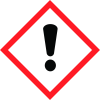
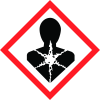
Hazard Symbol: Signal Word: Warning
Mentions de danger
May cause an allergic skin reaction. Suspected of causing cancer. Harmful to aquatic life. Precautionary Prevention: Avoid breathing dust/fume/gas/mist/vapors/spray. Contaminated work clothing must not be allowed out of the workplace. Wear protective gloves/protective clothing/eye protection/face protection. Obtain special instructions before use. Do not handle until all safety precautions have been read and understood. Use personal protective equipment as required. Response: IF ON SKIN Wash with plenty of water. If skin irritation or rash occurs Get medical advice/attention. If exposed or concerned: Get medical advice/attention. Specific treatment (see this label). Wash contaminated clothing before reuse. Storage: Store locked up. Disposal: Dispose of contents/container to an appropriate treatment and disposal facility in accordance with applicable laws and regulations, and product characteristics at time of disposal. Other hazards which do not None. result in GHS classification
2.1. Classification de la substance ou du mélange
Health Hazards Skin sensitizer Category 1 Carcinogenicity Category 2 Unknown toxicity - Health Acute toxicity, oral 32.89 % Acute toxicity, dermal 35.44 % Acute toxicity, inhalation, vapor 100 % Acute toxicity, inhalation, dust or mist 90.71 % Environmental Hazards Acute hazards to the aquatic Category 3 environment Unknown toxicity - Environment Acute hazards to the aquatic 95.5 % environment Chronic hazards to the aquatic 100 % environment Label Elements Hazard Symbol: Signal Word: Warning Hazard Statement: May cause an allergic skin reaction. Suspected of causing cancer. Harmful to aquatic life. Precautionary Statement: Prevention: Avoid breathing dust/fume/gas/mist/vapors/spray. Contaminated work clothing must not be allowed out of the workplace. Wear protective gloves/protective clothing/eye protection/face protection. Obtain special instructions before use. Do not handle until all safety precautions have been read and understood. Use personal protective equipment as required. Response: IF ON SKIN: Wash with plenty of water. If skin irritation or rash occurs: Get medical advice/attention. If exposed or concerned: Get medical advice/attention. Specific treatment (see this label). Wash contaminated clothing before reuse. Storage: Store locked up. Disposal: Dispose of contents/container to an appropriate treatment and disposal facility in accordance with applicable laws and regulations, and product characteristics at time of disposal. Other hazards which do not None. result in GHS classification: 3. Composition/information on ingredients Mixtures Chemical Identity CAS number Content in percent (%)* White mineral oil 8042-47-5 7 - 13% Amorphous silica 7631-86-9 1 - 5% Propylene glycol 57-55-6 1 - 5% Titanium dioxide 13463-67-7 1 - 5% Ammonium hydroxide 1336-21-6 0.1 - 1% Zinc oxide 1314-13-2 0.1 - 1% Chlorothalonil 1897-45-6 0.1 - 1% Talc 14807-96-6 0.1 - 1% * All concentrations are percent by weight unless ingredient is a gas. Gas concentrations are in percent by volume. 4. First-aid measures Ingestion: Rinse mouth thoroughly. Inhalation: Move to fresh air. Skin Contact: Destroy or thoroughly clean contaminated shoes. Immediately remove contaminated clothing and shoes and wash skin with soap and plenty of water. If skin irritation or an allergic skin reaction develops, get medical attention. Eye contact: Rinse immediately with plenty of water. Most important symptoms/effects, acute and delayed Symptoms: May cause skin and eye irritation. Indication of immediate medical attention and special treatment needed Treatment: Symptoms may be delayed. 5. Fire-fighting measures General Fire Hazards: No unusual fire or explosion hazards noted. Suitable (and unsuitable) extinguishing media Suitable extinguishing Use fire-extinguishing media appropriate for surrounding materials. media: Unsuitable extinguishing Do not use water jet as an extinguisher, as this will spread the fire. media: Specific hazards arising from During fire, gases hazardous to health may be formed. the chemical: Special protective equipment and precautions for firefighters Special fire fighting No data available. procedures: Special protective equipment Self-contained breathing apparatus and full protective clothing must be for fire-fighters: worn in case of fire. 6. Accidental release measures Personal precautions, See Section 8 of the SDS for Personal Protective Equipment. Do not touch protective equipment and damaged containers or spilled material unless wearing appropriate emergency procedures: protective clothing. Keep unauthorized personnel away. Methods and material for Collect spillage in containers, seal securely and deliver for disposal containment and cleaning according to local regulations. up: Notification Procedures: In the event of a spill or accidental release, notify relevant authorities in accordance with all applicable regulations. Environmental Precautions: Avoid release to the environment. Prevent further leakage or spillage if safe to do so. 7. Handling and storage Precautions for safe handling: Do not handle until all safety precautions have been read and understood. Obtain special instructions before use. Use personal protective equipment as required. Avoid contact with eyes, skin, and clothing. Wash hands thoroughly after handling. Ventilate well, avoid breathing vapors. Use approved respirator if air contamination is above accepted level. Use mechanical ventilation in case of handling which causes formation of dust. Conditions for safe storage, Store locked up. including any incompatibilities: 8. Exposure controls/personal protection Control Parameters Occupational Exposure Limits Chemical Identity type Exposure Limit Values Source White mineral oil - TWA 5 mg/m3 US. ACGIH Threshold Limit Values Inhalable fraction. (2011) White mineral oil - Mist. PEL 5 mg/m3 US. OSHA Table Z-1 Limits for Air Contaminants (29 CFR 1910.1000) (02 2006) Amorphous silica TWA 20 millions US. OSHA Table Z-3 (29 CFR of particles 1910.1000) (2000) per cubic


