

Remarque : Ingrédients figurant sur la liste des produits chimiques restreints
CE/CAS
13463-67-7
Nom du produit chimique
Reaction mass of titanium dioxide and silver chloride
Concentration
15-40
CE/CAS
123-86-4
Nom du produit chimique
acetic acid, butyl ester
Concentration
1-5
CE/CAS
21645-51-2
Nom du produit chimique
Aluminium hydroxide
Concentration
0.5-1.5
CE/CAS
64742-95-6
Nom du produit chimique
Solvent naphtha (petroleum), light arom
Concentration
0.5-1.5
CE/CAS
91-20-3
Nom du produit chimique
Naphthalene,3
Concentration
0.1-1
CE/CAS
108-88-3
Nom du produit chimique
Toluene
Concentration
0.1-1
CE/CAS
77-99-6
Nom du produit chimique
1,1,1-trimethylolpropane
Concentration
0.1-1
Informations générales
Version
11.02
Date de révision :
2026-01-04
A. Nom du produit
POLYCRON ZERO HAPS WHITE
1.5 Utilisation recommandée :
Applications industrielles
En cas d'urgence:
1-888-774-2001
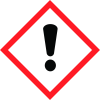
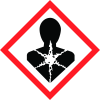
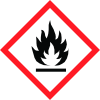
Icônes dans la FDS


Informations sur la société
raison sociale
PPG Canada Inc
Hazard Codes
Mentions de danger (CLP)
H226, H317, H350, H361
Mentions de danger
Code
Déclarations
H226
Flammable liquid and vapour
Section 2
RUBRIQUE 2: Identification des dangers
Classification of the substance or mixture AEROSOLS - Category 1 GASES UNDER PRESSURE - Compressed gas SKIN IRRITATION - Category 3 EYE IRRITATION - Category 2A CARCINOGENICITY - Category 2 SPECIFIC TARGET ORGAN TOXICITY (SINGLE EXPOSURE) (Narcotic effects) - Category 3 SPECIFIC TARGET ORGAN TOXICITY (REPEATED EXPOSURE) - Category 2 Percentage of the mixture consisting of ingredient(s) of unknown acute toxicity: 27.7% (oral), 30.4% (dermal), 22.3% (inhalation)
Mention d'avertissement
Danger
Mentions de danger
H222, H229 - Extremely flammable aerosol. Pressurized container: may burst if heated. H280 - Contains gas under pressure; may explode if heated. H316 - Causes mild skin irritation. H319 - Causes serious eye irritation. H336 - May cause drowsiness or dizziness. H351 - Suspected of causing cancer. H373 - May cause damage to organs through prolonged or repeated exposure.
La prévention
P201 - Obtain special instructions before use. P202 - Do not handle until all safety precautions have been read and understood. P280 - Wear protective gloves, protective clothing and eye or face protection. P210 - Keep away from heat, hot surfaces, sparks, open flames and other ignition sources. No smoking. P211 - Do not spray on an open flame or other ignition source. P271 - Use only outdoors or in a well-ventilated area. P260 - Do not breathe dust or mist. P264 - Wash thoroughly after handling. P251 - Do not pierce or burn, even after use.
Réponse
P308 + P313 - IF exposed or concerned: Get medical advice or attention. P304 + P340, P312 - IF INHALED: Remove person to fresh air and keep comfortable for breathing. Call a POISON CENTER or doctor if you feel unwell. P332 + P313 - If skin irritation occurs: Get medical advice or attention. P305 + P351 + P338 - IF IN EYES: Rinse cautiously with water for several minutes. Remove contact lenses, if present and easy to do. Continue rinsing. P337 + P313 - If eye irritation persists: Get medical advice or attention.
Espace de rangement
P405 - Store locked up. P410 + P403 - Protect from sunlight. P410 + P412 - Do not expose to temperatures exceeding 50 °C/122 °F. P403 + P233 - Store in a well-ventilated place. Keep container tightly closed.
Disposition
P501 - Dispose of contents and container in accordance with all local, regional, national and international regulations.
Autres dangers ne contribuant pas à la classification
DANGER - RAGS, STEEL WOOL OR WASTE SOAKED WITH THIS PRODUCT MAY SPONTANEOUSLY CATCH FIRE IF IMPROPERLY DISCARDED. IMMEDIATELY AFTER EACH USE, PLACE RAGS, STEEL WOOL OR WASTE IN A SEALED WATER-FILLED METAL CONTAINER. Prolonged or repeated contact may dry skin and cause irritation. Repeated exposure to high vapor concentrations may cause irritation of the respiratory system and permanent brain and nervous system damage. Inhalation of vapor/aerosol concentrations above the recommended exposure limits causes headaches, drowsiness and nausea and may lead to unconsciousness or death. Emits toxic fumes when heated. See toxicological information (Section 11)
2.1. Classification de la substance ou du mélange
AEROSOLS - Category 1 substance or mixture GASES UNDER PRESSURE - Compressed gas SKIN IRRITATION - Category 3 EYE IRRITATION - Category 2A CARCINOGENICITY - Category 2 SPECIFIC TARGET ORGAN TOXICITY (SINGLE EXPOSURE) (Narcotic effects) - Category 3 SPECIFIC TARGET ORGAN TOXICITY (REPEATED EXPOSURE) - Category 2 Percentage of the mixture consisting of ingredient(s) of unknown acute toxicity: 27.7% (oral), 30.4% (dermal), 22.3% (inhalation)


