


Remarque : Ingrédients figurant sur la liste des produits chimiques restreints
CE/CAS
204-658-1/123-86-4
Nom du produit chimique
acetic acid, butyl ester
Concentration
≥10-≤25 ≥10-≤25
CE/CAS
215-535-7/1330-20-7
Nom du produit chimique
Xylene
Concentration
≥5.0-≤10
CE/CAS
202-849-4/100-41-4
Nom du produit chimique
Ethylbenzene
Concentration
N/A
Informations générales
Version
10.04
Date de révision :
2026-03-17
A. Nom du produit
BO80 REGULATEUR DE FLOP
1.5 Utilisation recommandée :
Applications professionnelles, Utilisé par pulvérisation
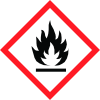
Icônes dans la FDS


Informations sur la société
raison sociale
PPG Auto Refinish AG
adresse e-mail
Product.Stewardship.EMEA@ppg.com
Informations SGH
mot indicateur
Attention
Hazard Codes
Mentions de danger (CLP)
H226, H336, H412
Mentions de danger
Code
Déclarations
H226
Flammable liquid and vapour
Section 2
RUBRIQUE 2: Identification des dangers
Classification of the substance or mixture FLAMMABLE LIQUIDS - Category 3 ACUTE TOXICITY (dermal) - Category 5 SKIN IRRITATION - Category 2 EYE IRRITATION - Category 2A SKIN SENSITIZATION - Category 1 CARCINOGENICITY - Category 1B TOXIC TO REPRODUCTION - Category 2 SPECIFIC TARGET ORGAN TOXICITY (REPEATED EXPOSURE) - Category 2 Percentage of the mixture consisting of ingredient(s) of unknown acute toxicity: 33.8% (oral), 74.4% (dermal), 64% (inhalation)
Mention d'avertissement
Danger
Mentions de danger
H226 - Flammable liquid and vapor. H313 - May be harmful in contact with skin. H315 - Causes skin irritation. H317 - May cause an allergic skin reaction. H319 - Causes serious eye irritation. H350 - May cause cancer. H361 - Suspected of damaging fertility or the unborn child. H373 - May cause damage to organs through prolonged or repeated exposure. (hearing organs)
La prévention
P201 - Obtain special instructions before use. P202 - Do not handle until all safety precautions have been read and understood. P280 - Wear protective gloves, protective clothing and eye or face protection. P210 - Keep away from heat, hot surfaces, sparks, open flames and other ignition sources. No smoking. P260 - Do not breathe vapor. P264 - Wash thoroughly after handling. P272 - Contaminated work clothing should not be allowed out of the workplace.
Réponse
P308 + P313 - IF exposed or concerned: Get medical advice or attention. P303 + P361 + P353 - IF ON SKIN (or hair): Take off immediately all contaminated clothing. Rinse skin with water. P302 + P312 - IF ON SKIN: Call a POISON CENTER or doctor if you feel unwell. P333 + P313 - If skin irritation or rash occurs: Get medical advice or attention. P305 + P351 + P338 - IF IN EYES: Rinse cautiously with water for several minutes. Remove contact lenses, if present and easy to do. Continue rinsing. P337 + P313 - If eye irritation persists: Get medical advice or attention.
Espace de rangement
P405 - Store locked up.
Disposition
P501 - Dispose of contents and container in accordance with all local, regional, national and international regulations.
Autres dangers ne contribuant pas à la classification
Sanding and grinding dusts may be harmful if inhaled. Contains a substance that may emit formaldehyde if stored beyond its shelf life and/or during cure at curing temperatures greater than 60C ( 140F). Prolonged or repeated contact may dry skin and cause irritation. Repeated exposure to high vapor concentrations may cause irritation of the respiratory system and permanent brain and nervous system damage. Inhalation of vapor/aerosol concentrations above the recommended exposure limits causes headaches, drowsiness and nausea and may lead to unconsciousness or death. Emits toxic fumes when heated. See toxicological information (Section 11)
2.1. Classification de la substance ou du mélange
FLAMMABLE LIQUIDS - Category 3 substance or mixture ACUTE TOXICITY (dermal) - Category 5 SKIN IRRITATION - Category 2 EYE IRRITATION - Category 2A SKIN SENSITIZATION - Category 1 CARCINOGENICITY - Category 1B TOXIC TO REPRODUCTION - Category 2 SPECIFIC TARGET ORGAN TOXICITY (REPEATED EXPOSURE) - Category 2 Percentage of the mixture consisting of ingredient(s) of unknown acute toxicity: 33.8% (oral), 74.4% (dermal), 64% (inhalation)


